
How to test soil pH in Dominican Republic gardens
Introduction
Soil pH is a measurement of the acidity or alkalinity of your garden soil, a crucial factor that dictates how effectively plants can absorb essential nutrients. In the Dominican Republic, soil conditions can vary significantly depending on whether you are gardening in the coastal sandy areas, the fertile valleys, or the tropical highland regions. Understanding your pH level is the first step toward diagnosing why plants might be struggling despite regular watering and fertilizing.
Testing your soil is most appropriate during the planning phase of a new garden or at the beginning of a growing season. Because tropical climates involve intense rainfall and high temperatures, the chemical composition of your soil can shift over time due to leaching and organic matter decomposition. By identifying whether your soil is acidic, neutral, or alkaline, you can make informed decisions about soil amendments, ensuring your tropical flora, succulents, or vegetable crops thrive in their specific environments.
Importance of pH for tropical gardening
The pH level acts as a gatekeeper for nutrient availability. Even if your soil is rich in nitrogen, phosphorus, or potassium, an improper pH level can "lock" these nutrients, making them chemically unavailable to the plant roots. In many parts of the Caribbean, heavy tropical rains can wash away minerals and increase soil acidity, while limestone-rich areas may lean toward alkalinity.
For instance, many tropical fruit trees and acid-loving ornamentals require a slightly acidic environment to process nutrients efficiently. If the soil is too alkaline, plants may suffer from iron chlorosis, a condition where leaves turn yellow while the veins remain green. Conversely, if the soil is too acidic, it can lead to toxicity from certain metals. Knowing your baseline allows you to correct these imbalances before they cause permanent damage to your landscape.
Methods for testing soil pH

There are several ways to determine your soil's pH, ranging from simple DIY kitchen methods to professional laboratory analysis.
Home testing kits These are widely available and consist of small test strips or liquid reagent kits. You mix a small sample of soil with distilled water and a testing solution, then compare the color change to a provided chart. This method is cost-effective and provides a quick estimate of the pH level, making it ideal for home gardeners who want regular updates on their soil health.
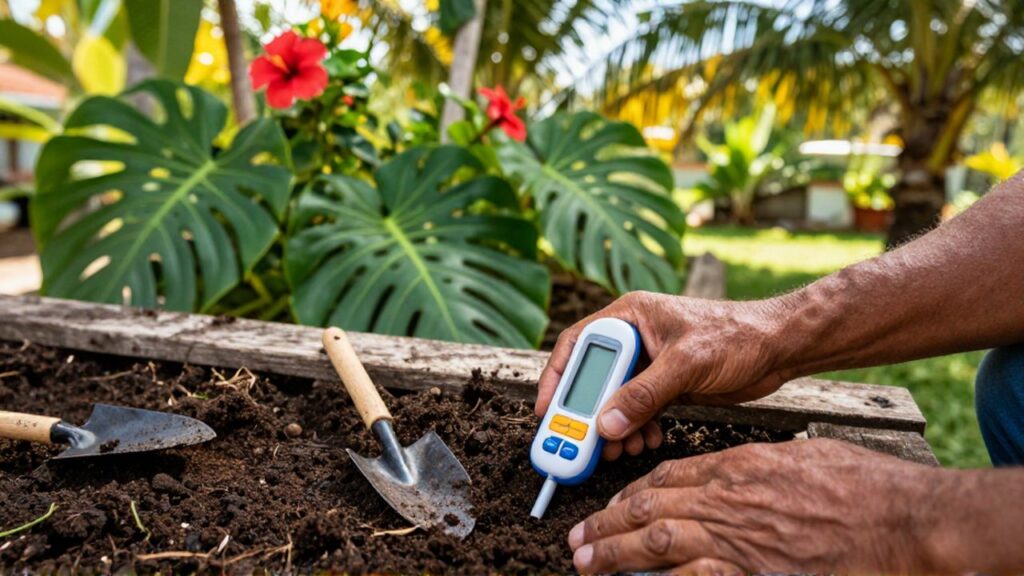
Digital pH meters Digital probes are convenient tools that you insert directly into moist soil. They provide a real-time digital reading on a screen. While they offer immediate results, their accuracy can depend heavily on the quality of the probe and the moisture content of the soil. They are best used for consistent monitoring rather than a one-time deep analysis.
Professional laboratory testing For large gardens or serious agricultural endeavors, sending a soil sample to a laboratory is the most reliable option. Professionals use precise scientific equipment to provide not only the pH level but also a comprehensive breakdown of nutrient levels and organic matter content. This is the best method if you are seeing widespread plant failure and need a definitive diagnosis.
Practical steps to collect a soil sample
To get an accurate reading, you must collect a representative sample of your garden rather than just taking soil from the surface.
- Clear the surface: Remove any mulch, leaves, or organic debris from the area you wish to test.
- Dig several small holes: Instead of one spot, take small samples from 5 to 10 different locations within the same garden bed. Dig down about 6 to 8 inches (15-20 cm) to reach the root zone.
- Mix the samples: Place all the collected soil into a clean plastic bucket and mix them thoroughly. This ensures the result represents the entire garden area.
- Remove debris: Pick out large stones, roots, or twigs from your mixture.
- Use distilled water: When performing a DIY test, always use distilled water. Tap water in many Dominican municipalities can be slightly alkaline or contain minerals that will skew your results and provide a false reading.
Adjusting soil pH levels

Once you have your results, you can take specific actions to move the pH toward the optimal range for your chosen plants.
To raise pH (reduce acidity) If your soil is too acidic, you can add lime (calcium carbonate). In tropical environments, the application of lime helps neutralize the acidifying effects of heavy rainfall. It is best to apply lime a few months before planting to allow it to react with the soil.
To lower pH (increase acidity) If your soil is too alkaline, you can incorporate organic matter such as compost, peat moss, or pine needles. For a more rapid change, elemental sulfur can be used, though it must be applied carefully to avoid overshooting the target pH.
Common mistakes in soil testing
One frequent error is testing soil that is too wet or too dry, as moisture levels significantly affect the chemical reaction during testing. Another common mistake is using tap water for DIY kits; the minerals in local water supplies can easily give a false alkaline reading. Finally, gardeners often test only one spot in a large garden; because soil composition can change drastically between a sunny slope and a shaded corner, multiple samples are necessary for accuracy.
Frequently asked questions
How often should I test my soil pH? For most home gardens, testing once a year at the start of the planting season is sufficient. If you have recently added large amounts of compost or organic mulch, you may want to test again after six months.
Can I use vinegar and baking soda to test pH? While these can give a very rough indication of whether soil is highly acidic or highly alkaline, they are not precise enough to determine a specific pH number. They should only be used as a very basic "rule of thumb" rather than a scientific measurement.
Does the type of fertilizer affect soil pH? Yes, certain fertilizers can change the soil chemistry over time. For example, many synthetic nitrogen fertilizers can increase soil acidity. Using organic compost helps buffer these changes and maintains a more stable pH.
Does rainfall in the Dominican Republic change my soil pH? Yes, frequent and heavy tropical rainfall can lead to "leaching," where basic minerals are washed out of the soil, often resulting in a gradual increase in soil acidity over time.
Leave a Reply