
Steps for pruning rose bushes in tropical environments

Introduction
Pruning rose bushes in tropical climates requires a specialized approach due to the intense heat, high humidity, and continuous growing seasons. Unlike temperate regions where pruning is often a single annual event to prepare for dormancy, tropical rose care focuses on managing rapid growth, preventing fungal diseases, and encouraging constant flowering. Proper pruning ensures that air circulates freely through the plant, which is vital in preventing the buildup of moisture that attracts pests and pathogens.
When done correctly, pruning removes dead or diseased wood, shapes the bush for aesthetic appeal, and redirects the plant's energy toward producing healthy new blooms rather than excessive foliage. This practice is essential for maintaining a vibrant garden and extending the lifespan of your rose bushes. By following a systematic method, you can mitigate the risks associated with the tropical environment and promote a lush, productive garden throughout the year.
Essential tools for rose pruning
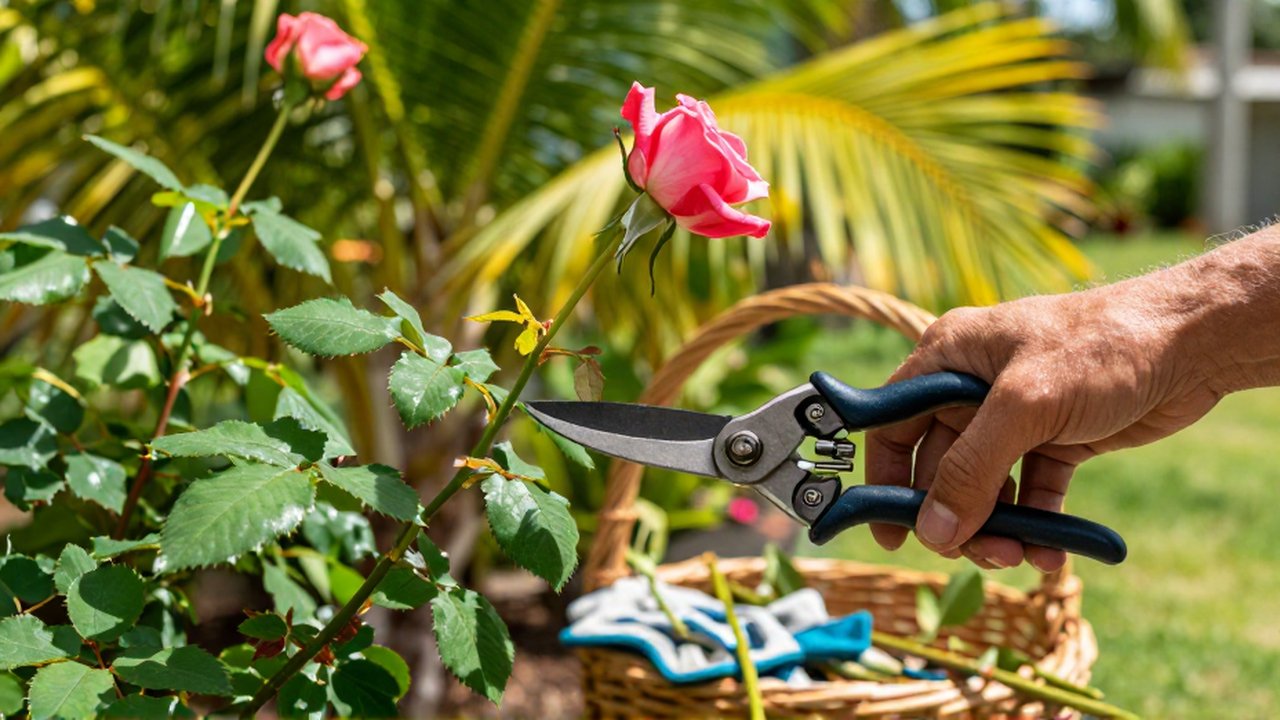
Before beginning the process, you must ensure you have the correct equipment to make clean cuts. Dull tools cause jagged wounds that are susceptible to infection, especially in humid tropical air. You should use sharp, bypass pruners for most stems; these act like scissors and provide a clean slice through the tissue. For thicker, woody canes, a pair of pruning shears or loppers may be necessary to avoid straining your hands or crushing the stem.
In addition to cutting tools, keep a small amount of disinfectant, such as isopropyl alcohol, readily available. Sanitizing your blades between different plants is a critical preventive measure to stop the spread of diseases like black spot or powdery mildew. Always wear sturdy gardening gloves to protect your hands from thorns and skin irritants.
Timing and frequency in tropical climates
In tropical environments, the concept of "dormancy" is often absent or very brief. Therefore, the timing of pruning is less about seasonal changes and more about the plant's growth cycle and health. The most effective time to perform a heavy pruning is after a major flowering cycle has ended and the plant shows signs of becoming too leggy or overgrown.
Because roses in the tropics grow rapidly, you may find yourself performing light maintenance prunings every few months. This "deadheading" or light trimming helps maintain the shape and prevents the plant from becoming a tangled mess that traps humidity. Avoid heavy pruning during the peak of the rainy season, as the excessive moisture combined with fresh pruning wounds can increase the risk of fungal infections.
Step by step pruning process
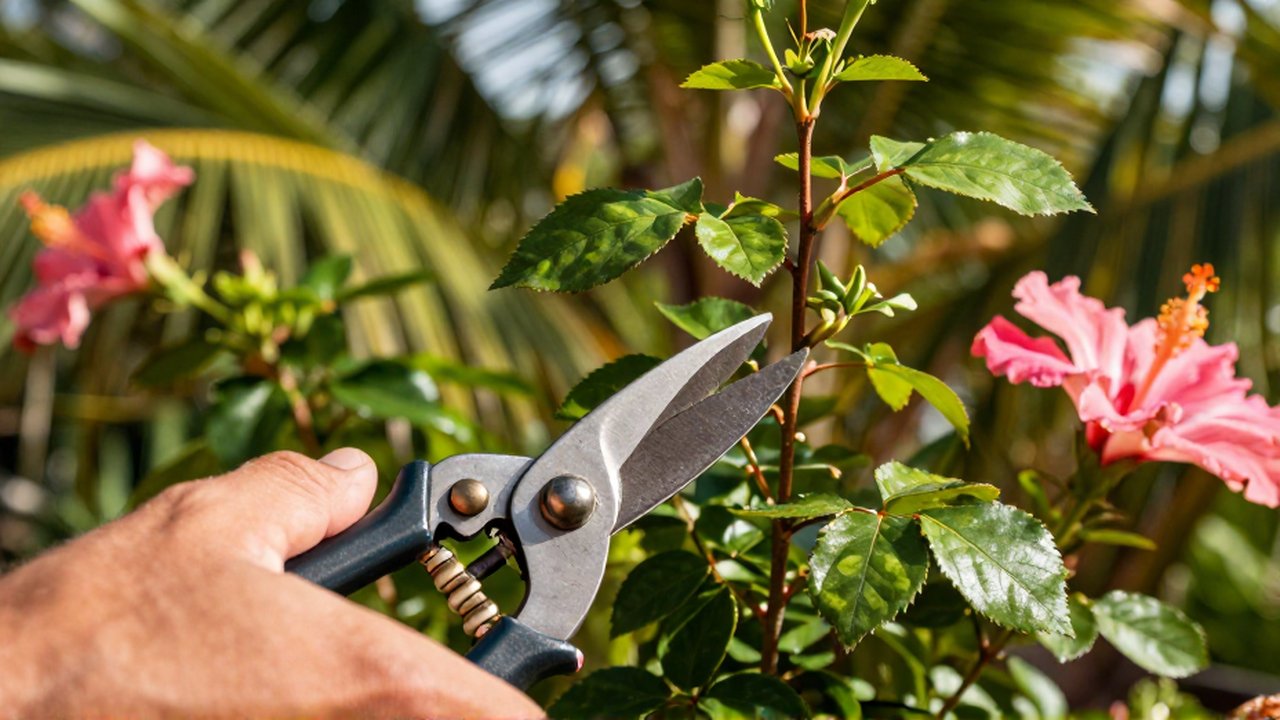
To achieve the best results, follow these logical steps to transform your rose bush into a healthy, productive plant:
- Remove the dead and diseased wood: Start by identifying any stems that are brown, brittle, or showing signs of decay. Cut these back to the base or to where the healthy green tissue begins. Removing these prevents pathogens from spreading to the rest of the bush.
- Clear the center for air circulation: In tropical climates, airflow is your best defense against disease. Remove any thin, weak stems that are crossing or rubbing against each other. Aim to create an "open" structure, similar to a vase, so air can move through the middle of the plant.
- Eliminate "suckers": Look for shoots growing from below the graft union (the bump at the base of the plant). These are not the rose variety you planted and will drain energy from the main bush. Cut them off completely at the base.
- Shape the main structure: Once the debris is cleared, prune the remaining healthy canes to your desired height. When cutting, always aim for a 45-degree angle slope away from the bud. This ensures that rainwater runs off the cut rather than sitting on top of it, which prevents rot.
- Cut just above an outward-facing bud: Find a bud (a small bump on the stem) that is pointing away from the center of the bush. Making your cut about a quarter-inch above this bud directs new growth outward, maintaining the open shape you established.
Mistakes to avoid in tropical rose care
One common error is over-pruning during periods of extreme heat. While pruning stimulates growth, a plant that has been stripped of too much foliage may struggle to regulate its temperature in the intense tropical sun. Always leave enough leaf mass to provide shade for the interior stems.
Another frequent mistake is failing to clean up the debris after pruning. Fallen leaves and cut stems can harbor fungal spores and pests. Always clear the area around the base of the rose bush after a pruning session to maintain a hygienic environment. Finally, do not prune too close to the ground; always leave enough healthy stem to allow the plant to recover and produce new shoots.
Frequently asked questions
How often should I prune my roses in the tropics? You should perform light pruning or deadheading after each bloom cycle to encourage new flowers, while deeper structural pruning should be done every few months as the plant becomes overgrown.
Can I prune roses during the rainy season? It is best to avoid heavy structural pruning during periods of heavy, continuous rain. High moisture levels on fresh cuts can lead to stem rot or fungal issues.
What does an outward-facing bud look like? It is a small, raised bump on the stem that is pointed toward the exterior of the plant rather than toward the center. Pruning above these buds helps maintain an open, airy structure.
Why is air circulation so important for tropical roses? High humidity in tropical regions can trap moisture against the plant. Open airflow helps dry the foliage and stems quickly, reducing the likelihood of fungal diseases like black spot.
Leave a Reply