
How to incorporate Caribbean textures into art displays
Introduction
Incorporating Caribbean textures into art displays is a way to bring the soul and warmth of the islands into your living spaces. This design approach focuses on using organic materials and tactile elements to complement visual artworks, creating a multidimensional experience that feels authentic to the tropical environment. By blending fine art with local textures, you can transform a flat wall into a curated sensory experience that reflects the natural beauty of the Dominican Republic and the broader Caribbean.
Knowing how to layer these elements is essential when you want to move beyond standard minimalist decor. Whether you are hanging a modern painting, a piece of traditional pottery, or a collection of photography, the surrounding textures act as a bridge between the art and the home. This method is particularly effective for creating a cohesive atmosphere in living rooms, entryways, or sunrooms where natural light plays a significant role in how colors and surfaces are perceived.
Identifying authentic Caribbean textures
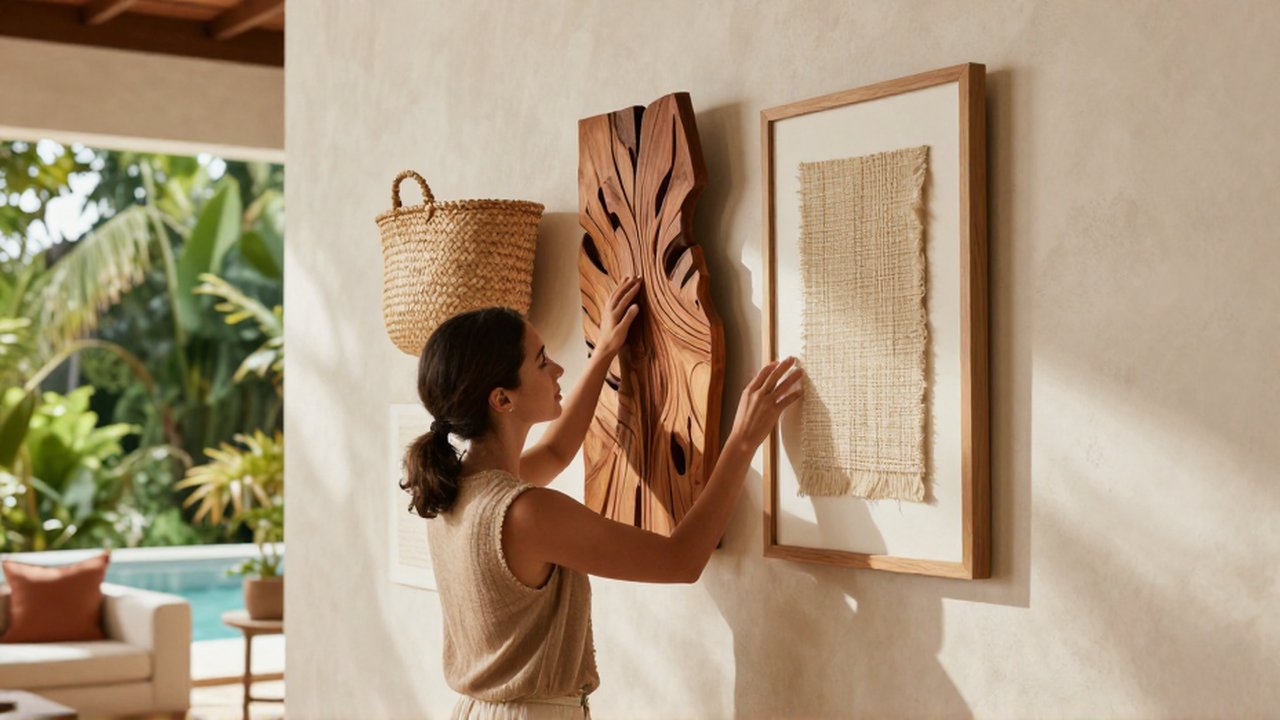
The foundation of a successful Caribbean-inspired art display lies in selecting materials that feel natural and locally sourced. Caribbean design is deeply rooted in the interaction between nature and craftsmanship. To achieve this, look for textures that offer a contrast to the smooth surfaces of glass or framed prints.
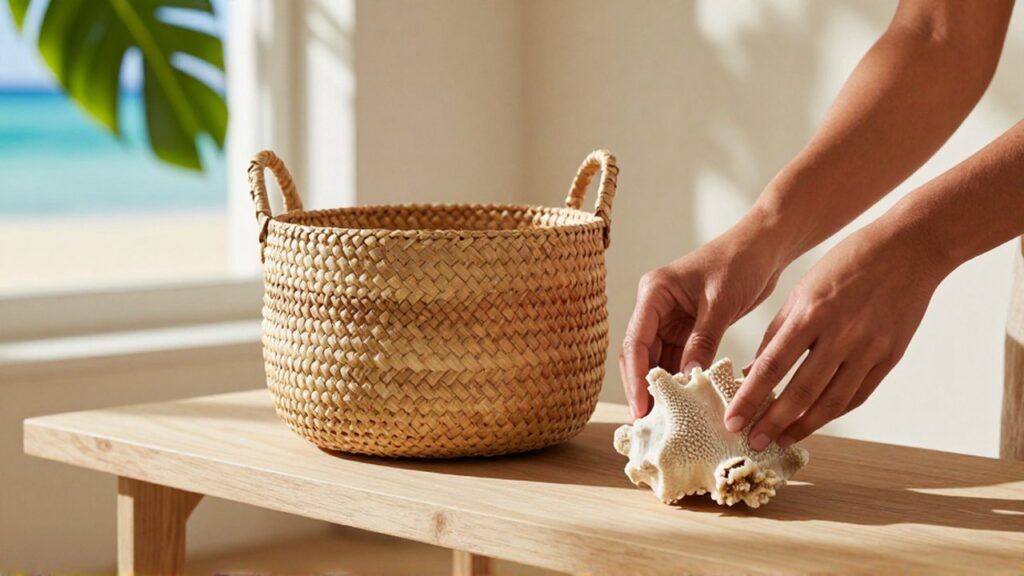
Natural Fibers and Weaves Materials like jute, sisal, and seagrass are quintessential to the region. Incorporating woven elements near your artwork can add a rustic, grounded feeling. You might choose to lean a textured woven basket against a wall near a framed landscape or use a seagrass mat as a backdrop for smaller sculptural pieces.
Wood and Organic Grain The use of tropical woods provides a heavy, rich texture that anchors a room. Instead of using uniform, factory-finished frames, consider using reclaimed wood or pieces with visible grain and knots. This connects the art to the earth and provides a visual weight that balances bright tropical colors.
Mineral and Earthy Surfaces Ceramics, terracotta, and stone offer tactile variety. A collection of handmade pottery placed on a shelf beneath a large wall hanging introduces shadows and depth through its uneven, matte surfaces, preventing the display from looking too sterile.
Techniques for layering art and texture
Successfully integrating these elements requires a balance between "visual noise" and intentional design. You want the textures to support the art, not compete with it for attention.
One effective method is the Background Layering technique. Instead of hanging art directly on a plain white wall, consider a textured wall covering or a large textile hanging as the base. A piece of hand-loomed fabric can serve as a soft backdrop for a metallic sculpture, creating a sophisticated interplay between the softness of the cloth and the hardness of the metal.
Another approach is Spatial Grouping. This involves creating a vignette where art and objects are mixed. For example, in a gallery wall, you might alternate a framed oil painting with a small woven wall hanging or a carved wooden mask. This breaks the monotony of rectangular frames and introduces a rhythmic, organic flow to the arrangement.
When working with lighting, remember that texture relies on shadows to be seen. Positioning accent lights or allowing natural sunlight to hit a textured surface will highlight the ridges of a weave or the grain of a wood frame, making the art display feel more dynamic throughout the day.
Common mistakes to avoid in textured displays
When attempting to bring Caribbean warmth into your home, it is easy to overcompensate and lose the elegance of the display. Avoid the following pitfalls to ensure your home maintains a refined aesthetic.
- Overcrowding the space: While layering is encouraged, adding too many different textures in one small area can create visual clutter. If you have a very busy woven rug, keep your wall art displays more focused and less textured.
- Ignoring color harmony: Caribbean textures often come in neutral, earthy tones (beige, sand, deep brown). If your artwork features very bright, saturated colors, ensure the textures provide a neutral anchor rather than clashing with the palette.
- Neglecting scale: A tiny woven basket will look lost next to a massive canvas. Ensure the scale of your textural elements is proportional to the art pieces they are meant to complement.
- Material conflict: Avoid mixing too many "rough" textures together without a smooth element to provide relief. For example, wood, jute, and stone all in one corner might feel overwhelming; try adding a glass frame or a smooth ceramic piece to balance the tactile load.
Frequently asked questions
How do I protect organic textures from Caribbean humidity? To prevent moisture buildup in woven items or wood, ensure proper ventilation in the room. It is also wise to treat wooden frames with a quality sealer and avoid placing delicate textiles in areas prone to dampness or direct contact with humidity-heavy walls.
Can I use Caribbean textures in a modern, minimalist home? Yes. In a minimalist setting, use texture as a subtle accent. Instead of a large display, choose one single high-quality item, such as a single textured wood frame or one statement woven piece, to add warmth without disrupting the clean lines of the room.
Should the texture be the main focus or the art? Ideally, the art should remain the focal point. The textures should serve as the "supporting cast," providing context, depth, and warmth that enhance the viewer's appreciation of the artwork.
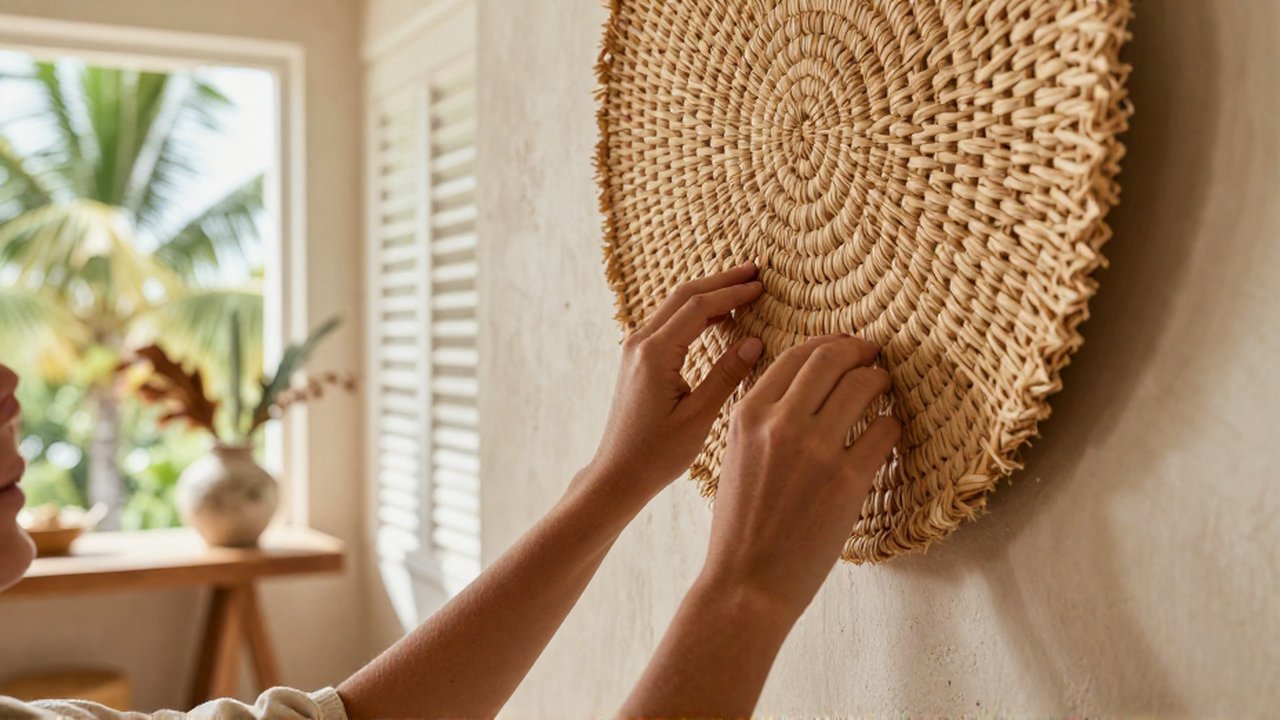
What is the best way to hang heavy textured pieces like woven mats? For items like thick seagrass mats or heavy wooden carvings, use sturdy, appropriate wall anchors. Because these items often have uneven weights, ensure the mounting hardware is rated for the specific weight to prevent damage to your walls.
Leave a Reply