
Tips for organizing heavy kitchen appliances safely
Introduction
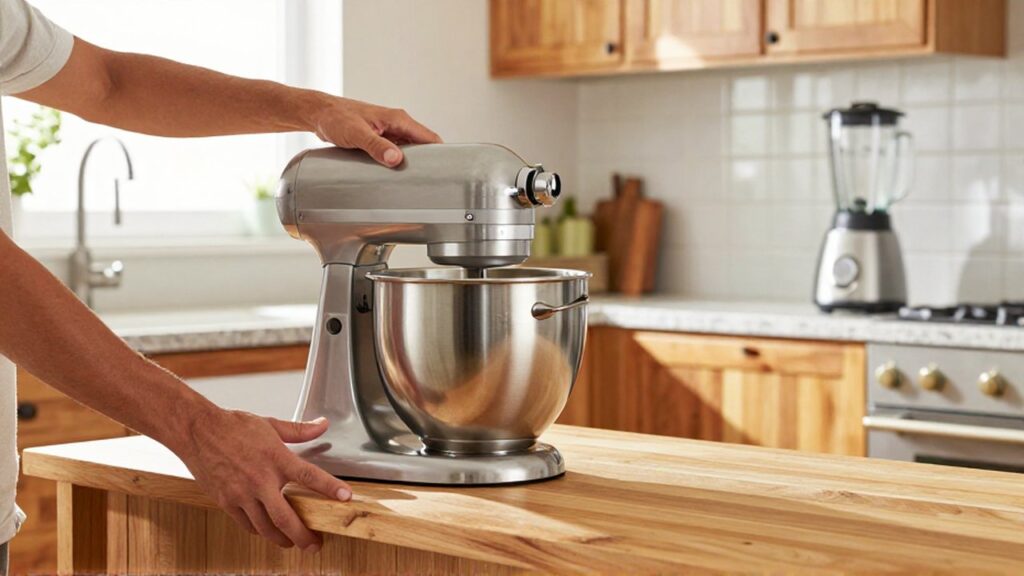
Managing heavy kitchen appliances like stand mixers, air fryers, espresso machines, and heavy-duty blenders can be a significant challenge in any household. These items take up considerable countertop space and, due to their weight, can pose a risk of injury or damage if stored improperly. Organizing them effectively is essential for maintaining a functional workspace, ensuring ease of access during meal preparation, and preventing accidents caused by unexpected shifts in weight.
Proper organization matters because a cluttered kitchen slows down your cooking workflow and can lead to strained muscles or broken equipment. By implementing a strategic storage plan, you can maximize your available area while keeping your most valuable tools within reach. This article provides practical guidance on how to group, store, and manage heavy appliances to create a safer and more efficient kitchen environment.
Assess appliance usage frequency
The first step in organizing heavy equipment is to categorize your appliances based on how often you actually use them. Not every machine deserves prime real estate on your kitchen counters. To do this effectively, divide your appliances into three distinct groups: daily use, weekly use, and occasional use.
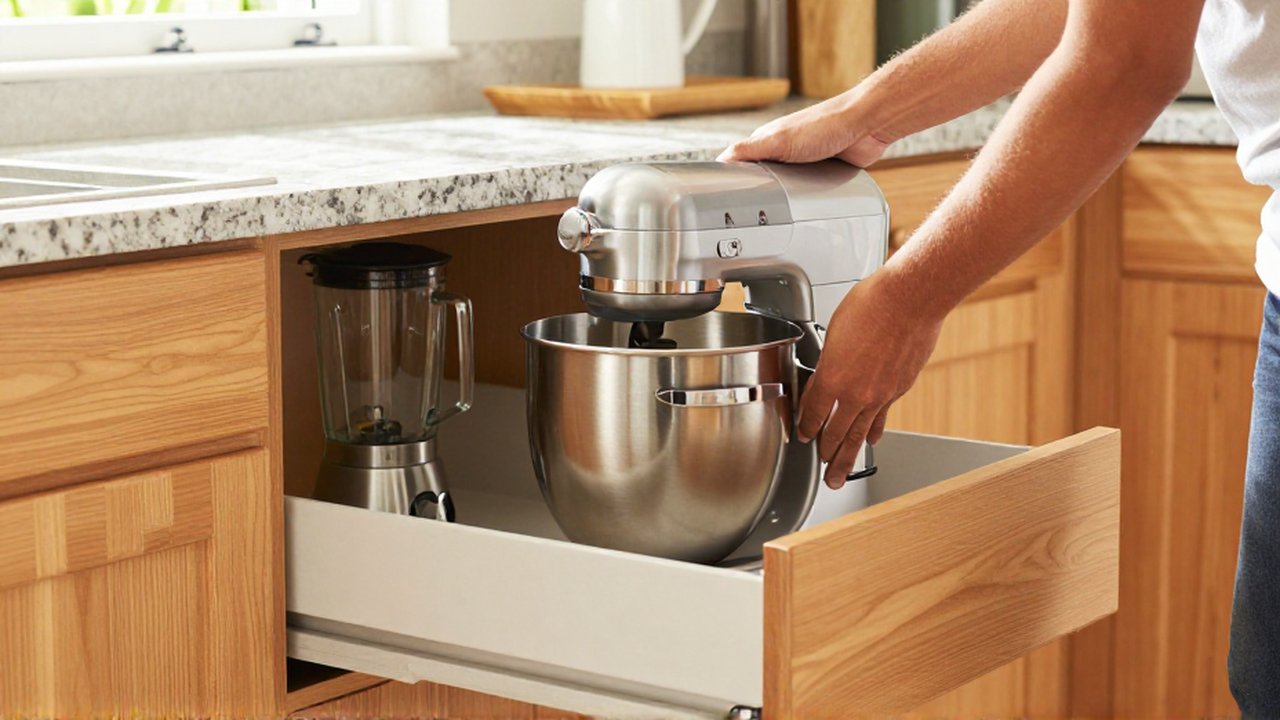
Daily items, such as a high-end coffee maker or a toaster, should remain easily accessible on the countertop or in a pull-out drawer near your primary prep area. Weekly items, like a heavy blender or an air fryer, can be stored in lower cabinets or on lower shelves where they are still reachable but not occupying precious workspace. For appliances used only during holidays or special occasions—such as large bread makers or heavy turkey roasters—utilize high shelves, deep pantry storage, or even dedicated utility closets.
Select appropriate storage locations
Where you place a heavy object is just as important as how often you use it. For heavy appliances, the physical location must account for both ergonomics and the structural integrity of your cabinetry. Placing very heavy items on high shelves is a significant safety risk, as lifting them above shoulder height can cause injury, and dropping them could damage the cabinet or the appliance itself.
For medium-to-heavy items, consider the following storage solutions:
| Storage Type | Best For | Benefits |
|---|---|---|
| Countertop | Daily essentials | Immediate access; no lifting required. |
| Lower Cabinets | Frequently used heavy items | Uses gravity to your advantage; easier to lift from a low position. |
| Deep Drawers | Medium-weight appliances | Allows you to see items from above; avoids digging in deep cupboards. |
| Appliance Garages | Daily items | Keeps counters tidy while keeping items ready for immediate use. |
| High Shelving | Occasional/Seasonal items | Clears up valuable workspace for items used rarely. |
Implement safety measures for lifting and moving
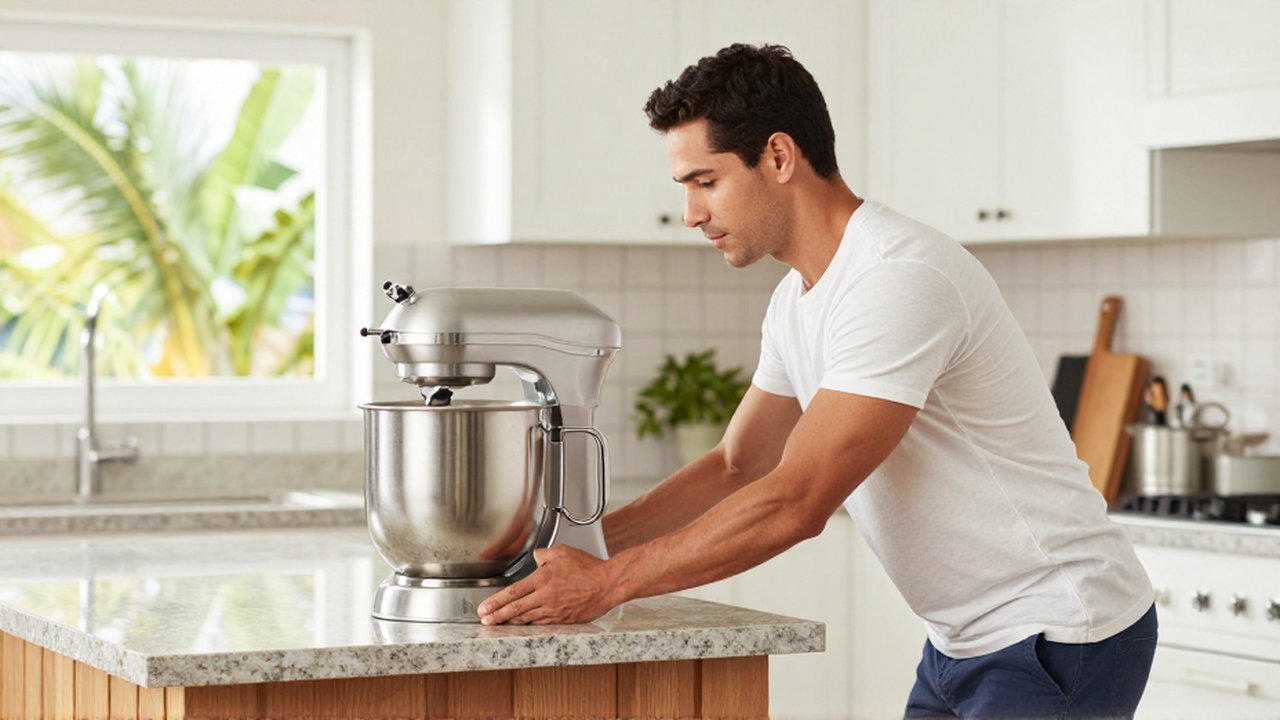
Safety during the physical act of organizing is paramount. When moving heavy appliances from a shelf to a counter, always use both hands and keep your back straight, bending at the knees to avoid strain. If an appliance is exceptionally heavy, such as a professional-grade stand mixer, do not attempt to move it alone; ask for assistance to prevent sudden slips or muscle tears.
To prevent damage to your countertops and to make moving items easier, consider using non-slip silicone mats or heavy-duty appliance sliders. These tools can help stabilize a machine while it is in use, preventing it from "walking" across the counter during high-speed blending. Additionally, ensure that any cord storage is managed carefully; leaving long, heavy cords dangling from a shelf can lead to someone tripping or pulling the entire appliance off the surface.
Avoid common organizational mistakes
Many people fall into the trap of "out of sight, out of mind," which leads to clutter in less convenient areas. One common mistake is stacking appliances on top of one another to save space. This is dangerous because it makes retrieving the bottom item difficult and can lead to the top item falling and breaking. Always store heavy appliances individually or use specialized shelving risers designed to support weight.
Another frequent error is overcrowding lower cabinets. When you cram too many heavy items into one small space, you lose the ability to slide them out safely, often resulting in accidental collisions with cabinet doors or other dishes. Finally, avoid placing heavy appliances on top of unstable surfaces like glass-topped tables or flimsy shelving units that are not rated for high-density weight.
Frequently asked questions
How can I prevent heavy appliances from scratching my countertops? Use silicone mats, cork coasters, or padded trivets underneath your appliances. These provide a buffer between the heavy base of the machine and your countertop surface.
What is the safest way to store appliance cords? Wrap cords loosely and secure them with reusable Velcro ties or specialized cord organizers. Avoid wrapping them too tightly around the appliance, as this can damage the internal wiring over time.
Can I store heavy appliances in a pantry? Yes, provided the pantry shelves are rated for the weight. Ensure the items are placed on lower or middle shelves to avoid the risk of dropping something from a height.
How should I organize very heavy equipment that I use rarely? Store these items in a dedicated storage area, such as a basement, garage, or high-level utility closet, provided the environment is dry and temperature-controlled to prevent rust or electrical issues.
Leave a Reply