
Safety guide for using gas stoves in Dominican kitchens
Introduction
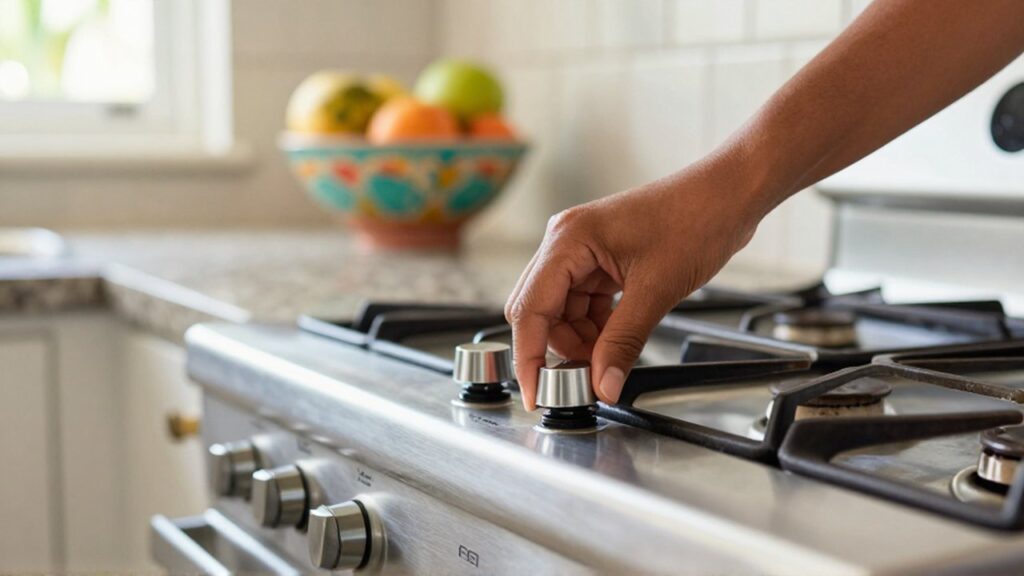
Gas stoves are a staple in Dominican households, offering a reliable and high-heat cooking method that is essential for traditional culinary techniques. However, because many homes rely on pressurized gas tanks (bombonas) rather than centralized lines, managing these systems requires specific knowledge and constant vigilance. Understanding how to handle gas safely is crucial to prevent accidental leaks, fires, or explosions within the home.
This guide serves as a practical resource for homeowners and renters to ensure their kitchen environments remain secure. By following established safety protocols, maintaining equipment regularly, and knowing how to respond to emergencies, you can mitigate the inherent risks associated with combustible fuel. Proper gas management is not just a matter of convenience; it is a fundamental part of domestic safety and family well-being.
Essential gas safety inspections
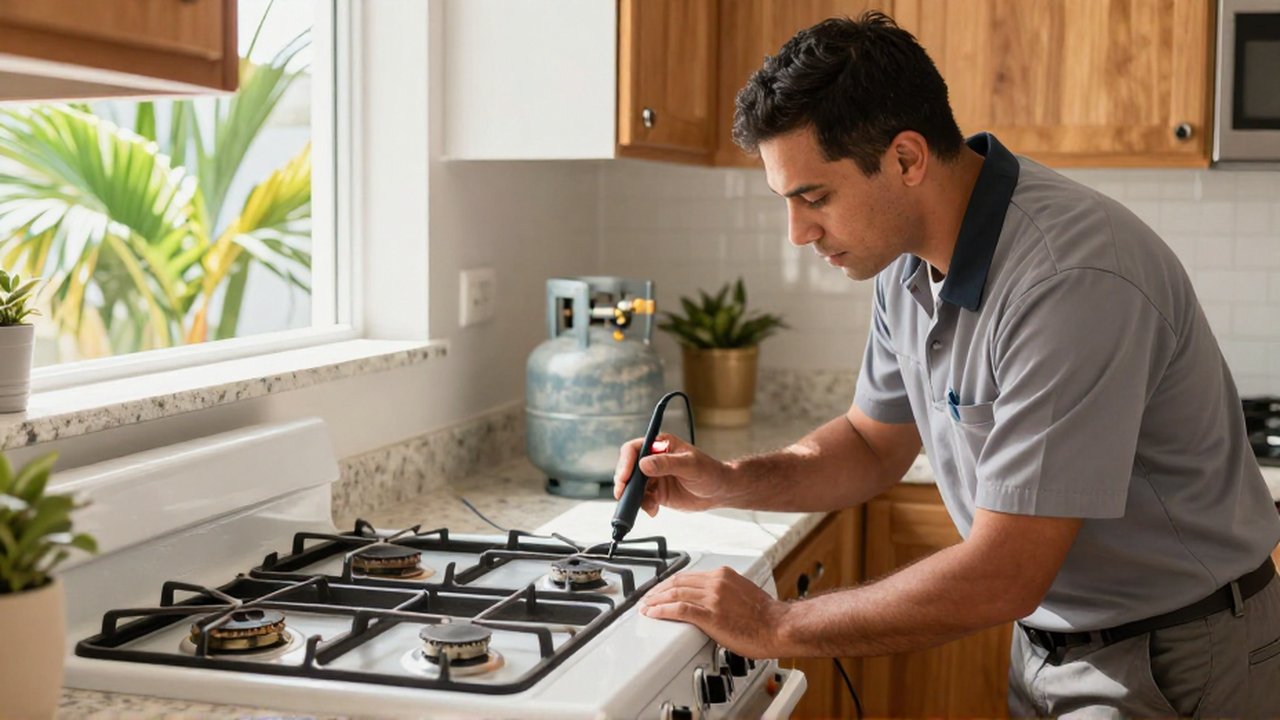
Maintaining a safe kitchen begins with the regular inspection of all components involved in the gas delivery process. In the Dominican Republic, where humidity can be high, metal components are particularly susceptible to corrosion, which can compromise the integrity of connections. You should frequently check the rubber hoses and the regulator for any signs of cracking, stiffness, or discoloration.
A common practice for verifying the integrity of your connections is the soapy water test. Apply a mixture of water and dish soap to the joints, hoses, and the regulator. If you observe growing bubbles, it indicates a leak. Never use a flame or a lighter to check for gas leaks, as this is extremely dangerous. Additionally, ensure that the gas tank is stored in a well-ventilated area, preferably outdoors or in a space with significant airflow, to prevent the accumulation of gas in the event of a minor leak.
Proper installation and equipment maintenance
Installing a gas stove and its connections correctly is the first line of defense against accidents. Always ensure that the hose is of the appropriate thickness and grade for domestic gas use. It is highly recommended to use high-quality clamps at both ends of the hose to secure it firmly to the stove and the regulator.
| Component | Maintenance Action | Frequency |
|---|---|---|
| Rubber Hose | Inspect for cracks or hardening | Monthly |
| Regulator | Check for stable pressure and no leaks | Every 6 months |
| Gas Tank (Bombona) | Check for rust and ensure stable placement | Monthly |
| Burner Heads | Clean debris to ensure even flame | Weekly |
Keeping the burner heads clean is also vital for safety. When a burner is partially clogged with food residue or grease, it can produce an irregular, orange, or flickering flame. This uneven combustion can lead to the buildup of carbon monoxide, a colorless and odorless gas that is highly toxic. A steady, blue flame is the standard indicator of efficient and safe combustion.
Preventive measures for daily cooking
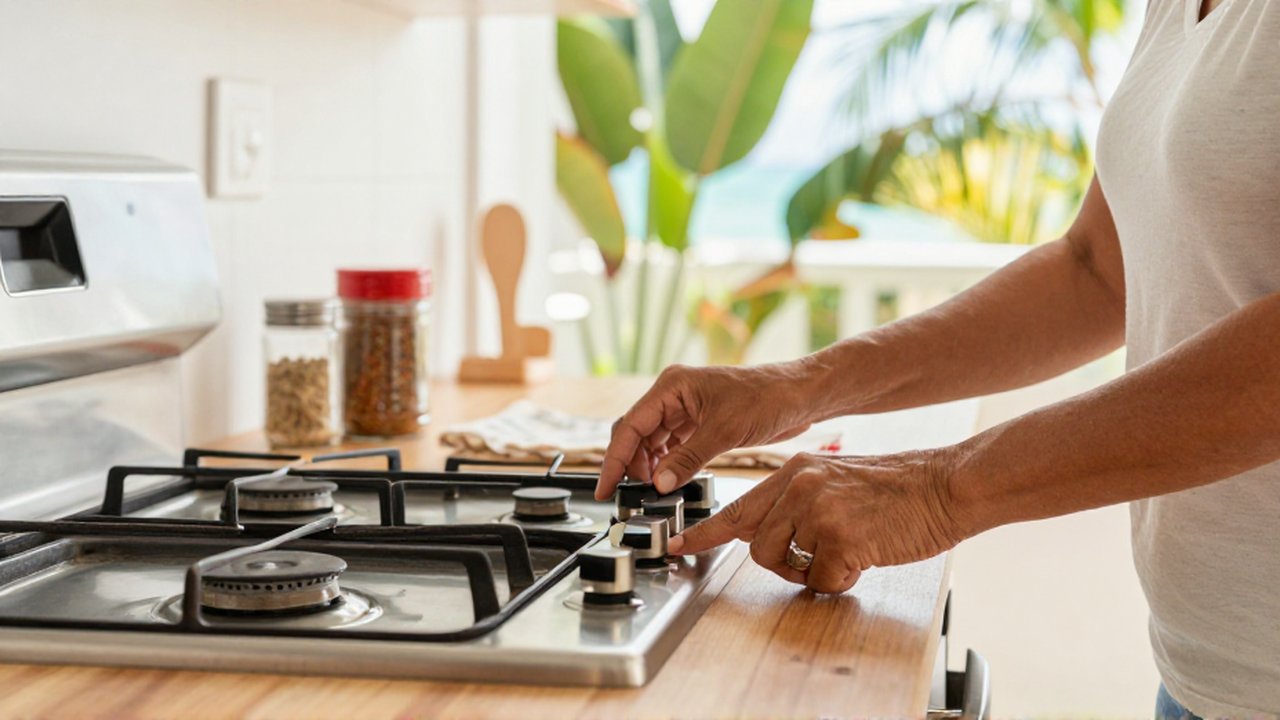
Safety during the actual cooking process is just as important as the equipment itself. Always ensure that the kitchen is well-ventilated. If your kitchen does not have a modern extractor hood, keeping windows or doors open during use helps prevent the accumulation of heat and potentially harmful combustion byproducts.
Avoid leaving the stove unattended while it is in use, especially when cooking with oils or fats, which can ignite quickly. If you notice a strong smell of sulfur or "rotten eggs"—the odorant added to gas to make leaks detectable—turn off the main valve immediately. Do not turn on any electrical switches, including lights or fans, as a tiny spark from a switch could trigger an explosion if gas has accumulated in the room. Instead, open the windows to clear the air and move to a safe area.
Emergency response for gas leaks
Knowing how to react during a gas emergency can prevent a minor incident from becoming a catastrophe. If you suspect a significant leak, follow these steps in order:
- Turn off the source: Immediately close the valve on the gas tank and, if possible, the valve on the stove.
- Ventilate the area: Open all windows and doors to allow the gas to disperse.
- Avoid ignition sources: Do not use matches, lighters, or any electrical appliances. Even a mobile phone used near a heavy leak can be a risk.
- Evacuate: If the smell is strong or you cannot stop the leak, evacuate everyone from the house immediately.
- Seek professional help: Once you are in a safe location, contact your gas provider or local emergency services.
Frequently asked questions
How can I tell if my gas flame is unsafe? A safe flame should be steady and primarily blue. If the flame is constantly yellow or orange, it indicates incomplete combustion, which may suggest a dirty burner or a lack of oxygen, both of which require attention.
What should I do if I smell gas but cannot find the leak? Immediately turn off the gas tank valve, open all windows to ventilate the house, and avoid using any electrical devices or producing sparks. Once the area is ventilated, call a professional technician to perform a comprehensive inspection.
How often should I replace my gas hose? While there is no universal rule, it is wise to inspect it monthly and consider replacing it every two years, or sooner if you notice the rubber becoming hard, cracked, or brittle due to heat and environmental exposure.
Can I store extra gas tanks inside my kitchen? It is safer to store spare gas tanks in a ventilated area outside the main living spaces. If they must be kept indoors, ensure they are in a well-ventilated spot away from direct heat sources or electrical outlets.
Leave a Reply