
How to layer lighting in a master bedroom

Introduction
Layering lighting in a master bedroom is the process of combining different types of light sources to create a versatile, functional, and relaxing environment. Instead of relying on a single, harsh overhead fixture, layering allows you to adjust the ambiance based on your needs, whether you are reading a book, getting dressed, or winding down for sleep. This technique transforms a bedroom from a mere sleeping area into a multi-functional sanctuary.
Mastering this approach is essential for anyone looking to improve their home's interior design and comfort. Proper lighting control helps regulate your circadian rhythm by providing soft, warm light in the evening and bright, clear light during morning routines. By strategically placing ambient, task, and accent lights, you can enhance the architectural features of your room while ensuring every corner is usable and visually appealing.
Understanding the three layers of light
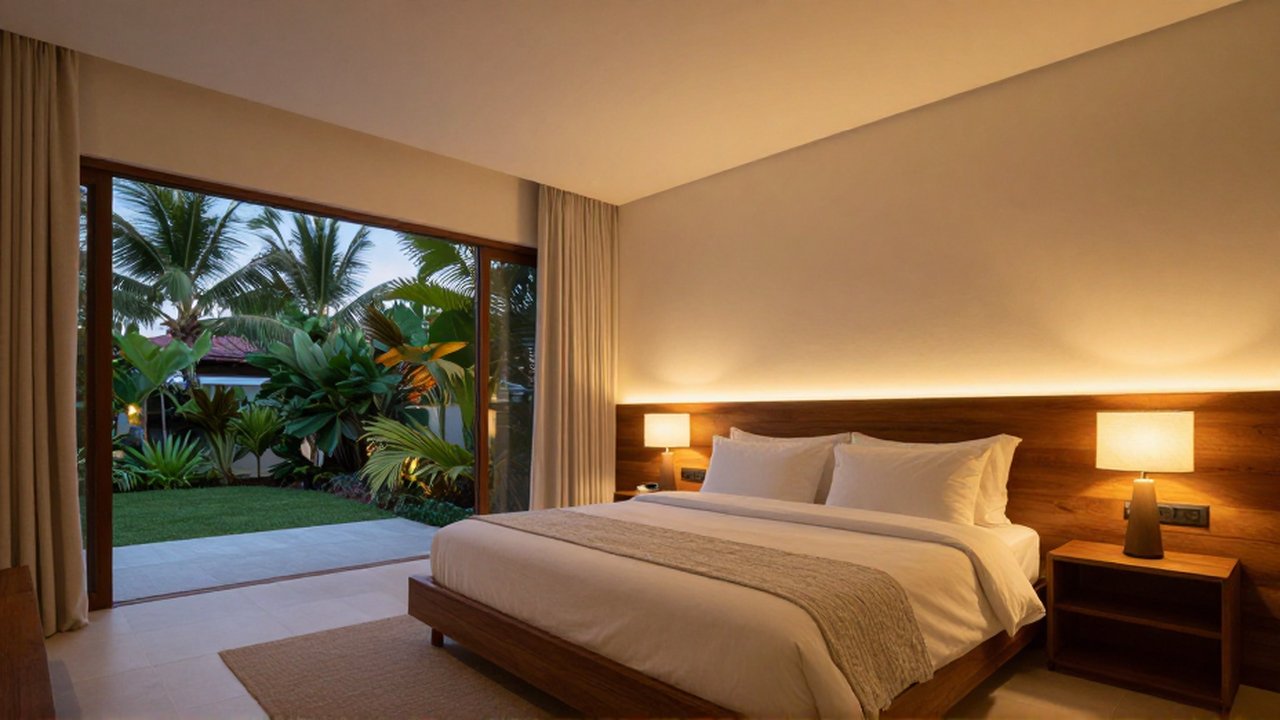
To create a professional look, you must understand the three fundamental layers: ambient, task, and accent lighting. Each serves a distinct purpose and should be used in combination to achieve a balanced atmosphere.
Ambient lighting is your foundation. It provides the general illumination needed to navigate the room safely and see objects clearly. In a master bedroom, this is typically achieved through a central ceiling fixture, such as a chandelier or a flush mount, or through recessed lighting. This layer should be soft and diffused to avoid creating harsh shadows.
Task lighting is functional and concentrated. It is designed to support specific activities such as reading in bed, applying makeup at a vanity, or selecting clothes in a closet. Common examples include bedside lamps, desk lamps, or adjustable reading lights attached to the headboard. Task lighting should be bright enough to prevent eye strain but controlled so it does not disturb a partner.
Accent lighting is purely aesthetic. Its goal is to create drama, highlight textures, or draw attention to specific decor items like artwork, indoor plants, or architectural details. This can be achieved using wall sconces, LED strips behind a headboard, or small spotlights. Accent lighting adds depth and prevents the room from feeling "flat."
Practical steps to implement layered lighting
Designing your lighting scheme requires a thoughtful approach to the layout of your furniture and your daily habits. Follow these steps to build a cohesive system.
First, identify your primary activities. Do you spend time working at a small desk in the corner? Do you prioritize a bright vanity for skincare? Once these activities are identified, place task lighting exactly where it is needed. For instance, bedside lamps should be positioned at a height that allows you to read comfortably without tilting your neck.
Second, address the general illumination. If your room has high ceilings, a decorative pendant can act as a beautiful ambient source. If the room is smaller or more modern, recessed ceiling lights can provide even distribution without taking up visual space. Always opt for dimmable switches for your ambient layer to allow for transition from "day mode" to "night mode."
Third, integrate accent layers to add personality. Consider placing a small uplight behind a large potted plant to create soft shadows on the ceiling, or use LED tape lighting under the bed frame for a modern, floating effect. This layer is what makes a bedroom feel high-end and custom-designed.
Common mistakes to avoid when lighting a bedroom
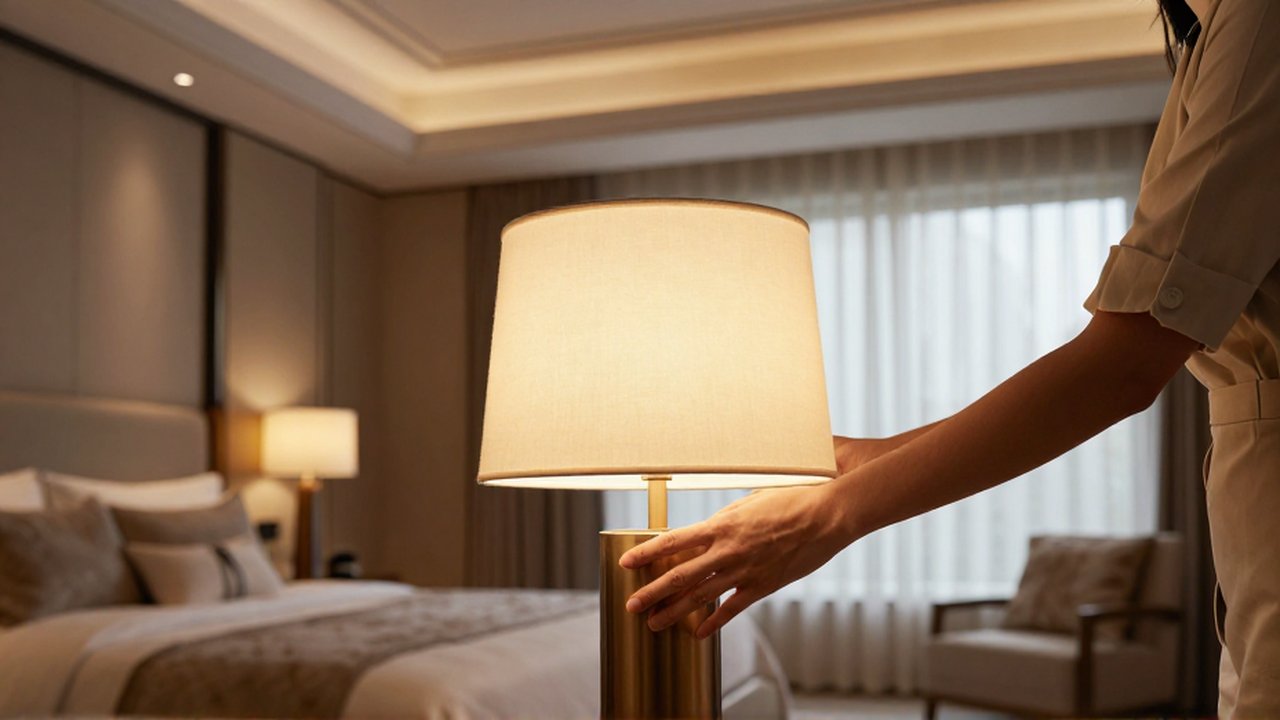
Even with a good plan, it is easy to fall into common pitfalls that can ruin the mood of a master bedroom. One of the most frequent errors is using a single, high-wattage bulb in a central fixture. This creates a "hospital effect," where the light is too bright and clinical, making it difficult to relax.
Another mistake is choosing the wrong color temperature. For a bedroom, you should prioritize "warm white" bulbs (typically in the 2700K to 3000K range). Avoid "cool white" or "daylight" bulbs in the sleeping area, as the blue light spectrum can interfere with melatonin production and disrupt sleep patterns.
Finally, avoid neglecting the placement of switches. There is nothing more frustrating than having to walk across a dark room to turn off a light. Ensure that you can control your bedside lamps and main lights from the comfort of your bed using switches within arm's reach or smart home integrations.
Comparing lighting types and their uses
| Light Layer | Primary Function | Common Fixtures | Best Placement |
|---|---|---|---|
| Ambient | General visibility | Chandeliers, recessed lights | Ceiling center or perimeter |
| Task | Specific activities | Bedside lamps, vanity lights | Near bed, desk, or dressing area |
| Accent | Mood and aesthetics | Wall sconces, LED strips | Highlighting art or textures |
Frequently asked questions
Should I use dimmers in my bedroom? Yes, dimmers are one of the most effective tools for layering lighting. They allow you to transition from bright, functional light in the morning to a dim, soothing glow in the evening, which is essential for preparing the body for sleep.
What is the best bulb color for a master bedroom? Warm white light is generally recommended for bedrooms. It provides a cozy, inviting atmosphere that feels relaxing and helps signal to your brain that it is time to rest.
How high should bedside lamps be placed? The bottom of the lampshade should ideally be at eye level when you are sitting up in bed. This prevents the light from shining directly into your eyes while reading and ensures effective task lighting.
Can I use accent lighting if my room is small? Absolutely. In fact, accent lighting can make a small room feel larger by drawing the eye to specific points and creating a sense of depth through shadows and highlights.
Leave a Reply