
Benefits of cross-ventilation for tropical home cooling

Introduction
Cross-ventilation is a natural cooling technique that involves placing openings, such as windows and doors, on opposite sides of a room or building to allow air to flow through. In tropical climates like the Dominican Republic, where high temperatures and humidity are constant factors, this method is essential for maintaining a comfortable indoor environment without relying solely on mechanical cooling.
By harnessing the pressure differences between windward and leeward sides of a house, cross-ventilation replaces stale, warm air with fresh, moving air. This process not only lowers the perceived temperature through the evaporative cooling effect on human skin but also plays a critical role in reducing indoor moisture levels. Utilizing this method is most effective during the daytime when breezes are active and during tropical evenings when air movement helps dissipate heat absorbed by walls during the day.
How cross-ventilation works in tropical climates
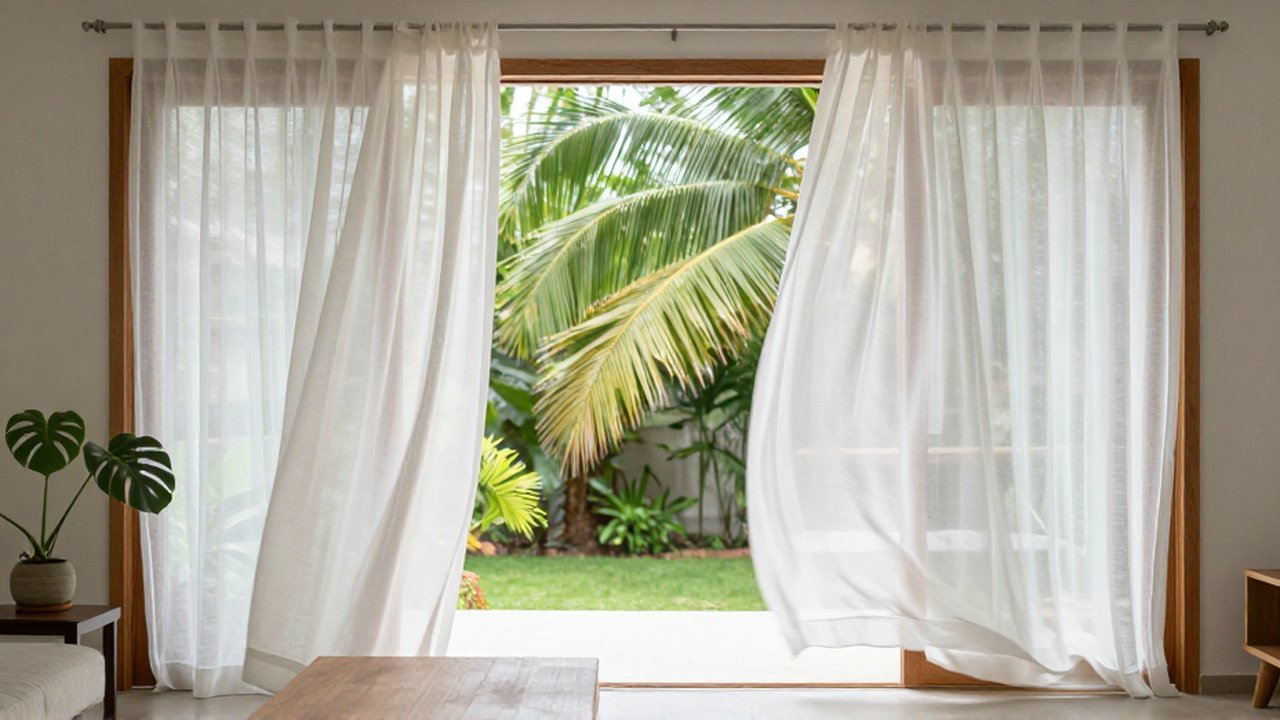
To understand the benefits, one must first understand the physics behind the movement. Cross-ventilation relies on the movement of air from an area of high pressure to an area of low pressure. When wind hits one side of a house, it creates a high-pressure zone; on the opposite side, a low-pressure zone is created. If there are openings on both sides, the air is forced to travel through the interior space to equalize the pressure.
In a tropical setting, air movement serves two primary purposes. First, it facilitates convective cooling, where moving air helps carry heat away from surfaces and occupants. Second, it assists in moisture management. High humidity can make a home feel significantly hotter than the actual thermometer reading. Constant airflow helps prevent the "stagnant air" sensation, making the environment feel much more breathable and temperate.
Advantages of natural airflow for home comfort
Implementing effective cross-ventilation offers several long-term advantages for homeowners living in warm regions:
- Reduction in energy consumption: By maximizing natural breezes, homeowners can reduce the frequency and duration of air conditioning use, leading to lower electricity bills.
- Improved air quality: Continuous airflow prevents the buildup of indoor pollutants, odors, and allergens, ensuring a fresher living environment.
- Humidity control: Constant air movement helps prevent the development of mold and mildew, which thrive in the stagnant, damp corners of tropical homes.
- Enhanced thermal comfort: Even without a significant drop in actual temperature, the sensation of moving air across the skin provides immediate relief from tropical heat.
Essential strategies to optimize airflow

Achieving efficient cross-ventilation requires more than just opening a window. It requires a strategic approach to how a home is laid out and how its openings are utilized.
One of the most effective strategies is the alignment of openings. For air to flow effectively, a window or door should ideally be placed on a wall that faces the prevailing winds. Furthermore, the openings should be positioned on opposite sides of the living space. If windows are only on one side of a room, the air may enter but will not "circulate," creating a pocket of stagnant air in the corners.
Another key factor is the size and placement of the openings. Larger openings allow for greater volumes of air to pass through. Additionally, utilizing different heights for openings—such as low-level vents and high-level windows—can create a "stack effect." This phenomenon occurs when warm air rises and exits through higher openings, drawing cooler air in through lower ones, creating a continuous cycle of movement.
Common mistakes to avoid when seeking natural cooling
Many homeowners attempt to cool their homes through ventilation but fail to see results due to several common errors.
One frequent mistake is failing to clear obstacles. Furniture, heavy drapery, or large decorative items placed directly in front of windows or doorways can act as windbreaks, significantly reducing the amount of air that enters the room. For maximum efficiency, the path between the "inlet" window and the "outlet" window must remain as unobstructed as possible.
Another mistake is focusing on individual rooms rather than the whole house. If one room is well-ventilated but all internal doors are closed, the air cannot circulate throughout the structure. To achieve true cross-ventilation, the layout should allow air to move through hallways and transitional spaces, connecting different zones of the home. Finally, ignoring the direction of prevailing winds often leads to the installation of vents that do not capture the most frequent air currents.
Frequently asked questions
Does cross-ventilation work if there is no wind? Cross-ventilation is most effective with active breezes. However, placing windows at different heights can still utilize the "stack effect," where rising warm air creates a slight vacuum that pulls in external air, even on relatively calm days.
Will cross-ventilation increase humidity inside the house? In the tropics, outdoor air often has high humidity. While cross-ventilation brings in moisture, the movement of air prevents that moisture from settling and becoming stagnant, which is the primary cause of mold growth and that "heavy" feeling in a home.
Can I use ceiling fans to help with cross-ventilation? Ceiling fans do not create cross-ventilation, but they complement it. While cross-ventilation brings fresh air into the house, fans help circulate that air more effectively within a specific room, increasing the evaporative cooling effect on your skin.
How can I tell which direction my prevailing winds come from? You can observe the direction of flags, the movement of tree branches, or the drift of smoke over several days. In many tropical regions, winds follow predictable seasonal patterns, such as trade winds, which can be used to guide window placement.
Leave a Reply