
Best cleaning products for stone floors in humid climates
Introduction
Maintaining stone floors in a humid environment requires a specialized approach to prevent damage and biological growth. Materials such as marble, travertine, limestone, and granite are naturally porous, making them susceptible to moisture absorption and the development of mold or mildew when humidity levels remain high. Using the wrong cleaning agent can lead to permanent etching, staining, or the degradation of the stone's protective sealant.
Understanding which products to use is essential for preserving the aesthetic value and structural integrity of your home. In tropical or coastal regions, the combination of high moisture and dust creates a unique cleaning challenge. Selecting the right pH-balanced cleaners and maintenance tools ensures that your floors remain slip-resistant, hygienic, and visually stunning without the risk of chemical erosion.
Why humidity affects stone floor maintenance
High humidity levels in a home can lead to several issues for natural stone surfaces. First, moisture in the air can seep into the pores of the stone, potentially carrying organic matter that feeds mold and mildew growth. This is especially common in grout lines and unsealed surfaces. Second, humidity can make floors feel perpetually damp or slippery, requiring more frequent cleaning to prevent buildup.
Furthermore, the presence of moisture can affect how cleaning products interact with the stone. If a cleaner is not dried properly, it may leave behind streaks or a hazy residue that becomes harder to remove as it settles into the stone's texture. Constant exposure to dampness also tests the strength of your stone sealer, meaning periodic inspections are necessary to ensure the stone remains protected from deep moisture penetration.
Characteristics of effective stone cleaners
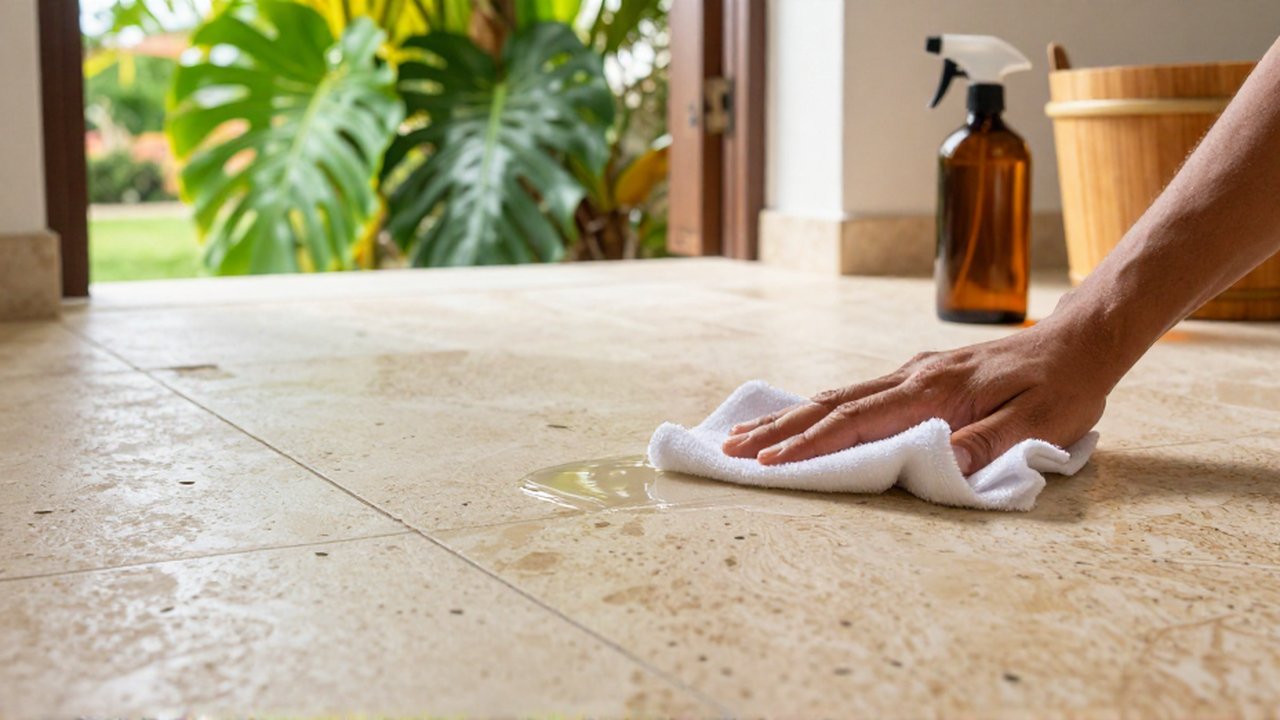
When shopping for products, the most important factor is the pH level. Stone is highly sensitive to acids and strong alkalines. To protect your investment, you should look for products that meet the following criteria:
- pH-Neutral Formulation: This is the most critical requirement. Neutral cleaners avoid reacting with the calcium carbonate found in stones like marble and limestone.
- Non-Abrasive Ingredients: Avoid products containing "scrubbing beads" or harsh grit, as these can create micro-scratches that trap dirt and moisture.
- Fast-Drying Properties: In humid climates, using a cleaner that evaporates quickly helps prevent water from sitting on the surface and soaking into the pores.
- Anti-Microbial Qualities: Look for cleaners that are gentle on the stone but effective at inhibiting the growth of fungi and bacteria, which thrive in moist environments.
Recommended types of cleaning products
Depending on the specific type of stone and the level of maintenance required, different product types are suitable for different tasks.
| Product Type | Best Use Case | Benefits | Limitations |
|---|---|---|---|
| pH-Neutral Liquid Cleaner | Daily or weekly maintenance | Safe for all natural stones; removes dust and light spills. | May not remove deep stains or heavy buildup. |
| Stone-Specific Foams | Targeted cleaning of grout or spots | Provides more control; less risk of excessive water usage. | Can be more expensive than standard cleaners. |
| Microfiber Mops and Cloths | Dusting and light mopping | Picks up moisture and fine particles without scratching. | Requires regular laundering to prevent spreading dirt. |
| Professional Sealers | Periodic protection | Prevents moisture and stains from penetrating the stone. | Must be applied correctly; requires drying time. |
Common mistakes to avoid when cleaning stone
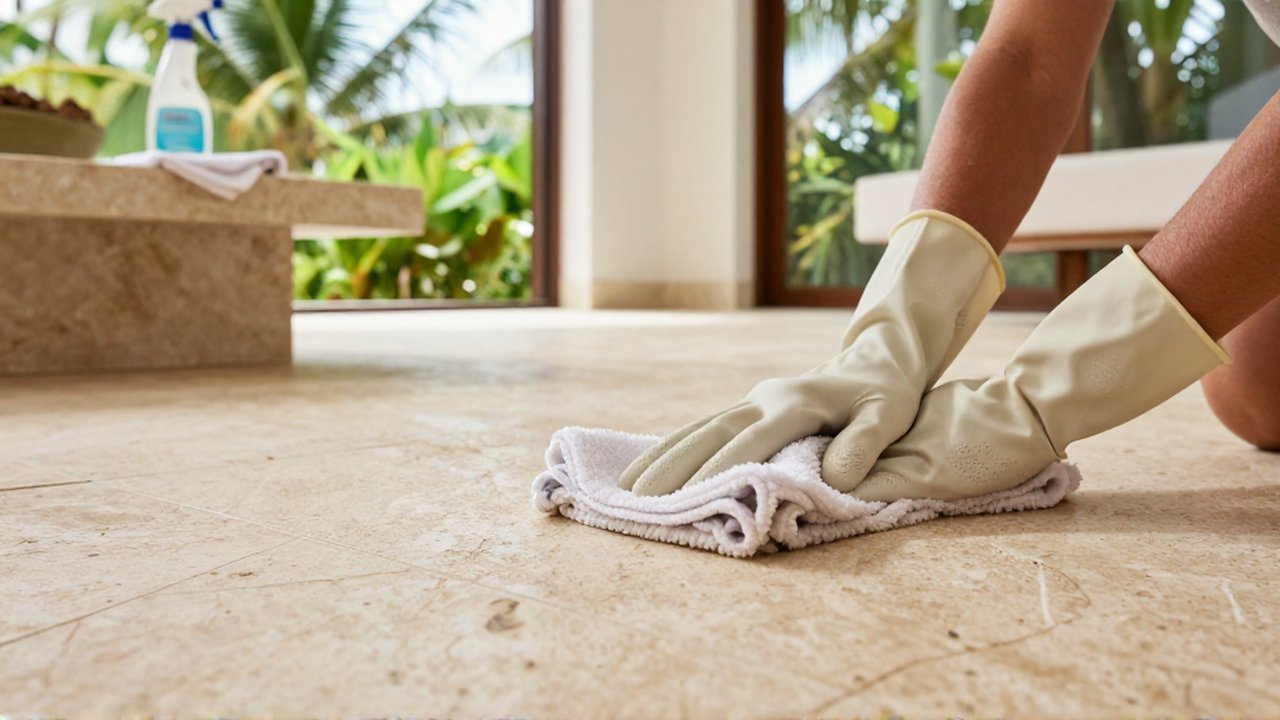
One of the most frequent errors is using household cleaners that contain vinegar, lemon juice, or other acidic substances. While these are excellent for many surfaces, they will chemically etch and dull natural stone almost instantly. Similarly, avoid using "all-purpose" cleaners that contain bleach or ammonia, as these can weaken the stone's sealer and cause discoloration over time.
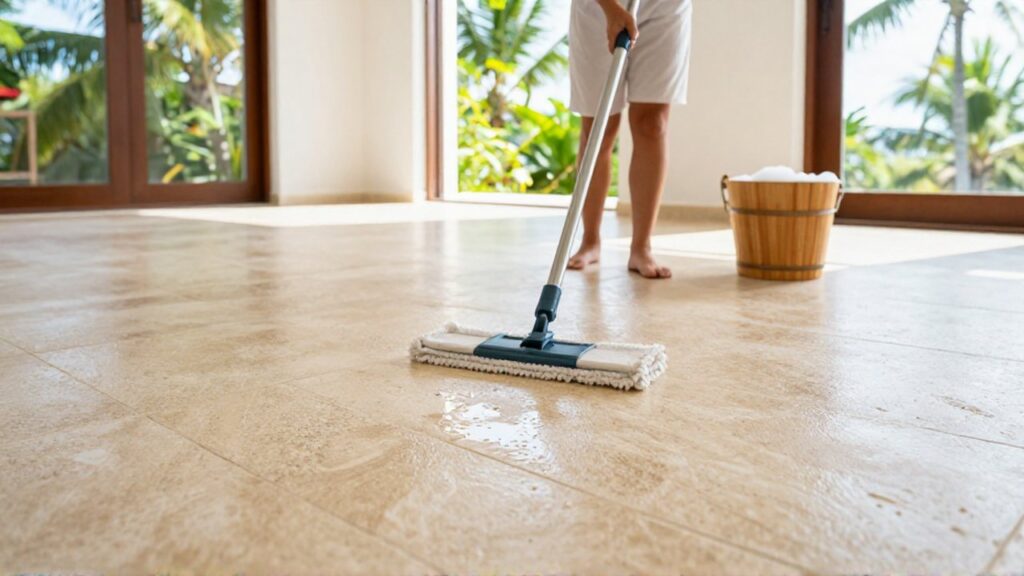
Another mistake is over-wetting the floor. In a humid climate, using a soaking wet mop adds excess moisture to an already damp environment, increasing the risk of water seeping into the stone's pores. Instead, use a damp (not dripping) microfiber mop to clean. Finally, neglecting to dry the floor can lead to "water spotting," where minerals in the water leave permanent marks on the surface once the liquid evaporates.
Steps for effective floor maintenance in humid areas
To keep your stone floors in top condition, follow a consistent routine that balances cleaning with moisture control.
- Dry Dusting: Regularly sweep or vacuum with a soft brush attachment to remove grit and sand. In humid areas, dust often becomes "heavy" and clings to the floor, so frequent removal is key to preventing scratches.
- Damp Mopping: Use a pH-neutral stone cleaner diluted according to the manufacturer's instructions. Use a microfiber mop that is damp to a touch, ensuring no standing water is left on the surface.
- Routine Inspection: Every few months, check the stone for signs of dullness or staining. This can indicate that your sealer is wearing thin.
- Seal Application: Once the stone shows signs of increased absorption (such as water darkening the surface), apply a high-quality impregnating sealer to restore the protective barrier.
Frequently asked questions
Can I use soap and water to clean marble floors? Standard dish soaps can leave a soapy film on the stone, which attracts more dirt and makes the floor look dull. It is much safer to use a dedicated pH-neutral cleaner designed specifically for natural stone.
How often should I seal my stone floors in a humid climate? Because humidity can wear down protective layers more quickly, it is wise to check your sealer every six to twelve months. If water no longer beads on the surface, it is time to re-apply.
Will a dehumidifier help protect my stone floors? Yes. By reducing the ambient moisture in the room, a dehumidifier can help prevent mold growth in grout lines and reduce the frequency with which the stone absorbs moisture from the air.
Is granite more resistant to humidity than marble? Generally, granite is less porous and more resistant to moisture and staining than marble or limestone. However, all natural stone still requires proper pH-neutral cleaning and sealing to maintain its appearance.
Leave a Reply