
Common causes of low water pressure in Dominican houses

Introduction
Low water pressure is a widespread issue that affects the comfort and functionality of daily life in many Dominican households. Whether it is a weak stream in the shower or a slow fill in the kitchen sink, inadequate pressure can disrupt cleaning routines, hygiene, and even the efficiency of household appliances. Understanding why this occurs is essential for maintaining a healthy home environment and preventing long-term damage to your plumbing system.
In the Dominican Republic, water supply often relies on a combination of municipal connections, underground cisterns, and elevated rooftop tanks. Because of this multi-stage delivery system, the causes of low pressure can range from simple localized clogs to more complex issues involving external supply fluctuations or mechanical failures in water pumps. Identifying the specific source of the problem is the first step toward finding a lasting solution.
Problems with water tanks and cisterns
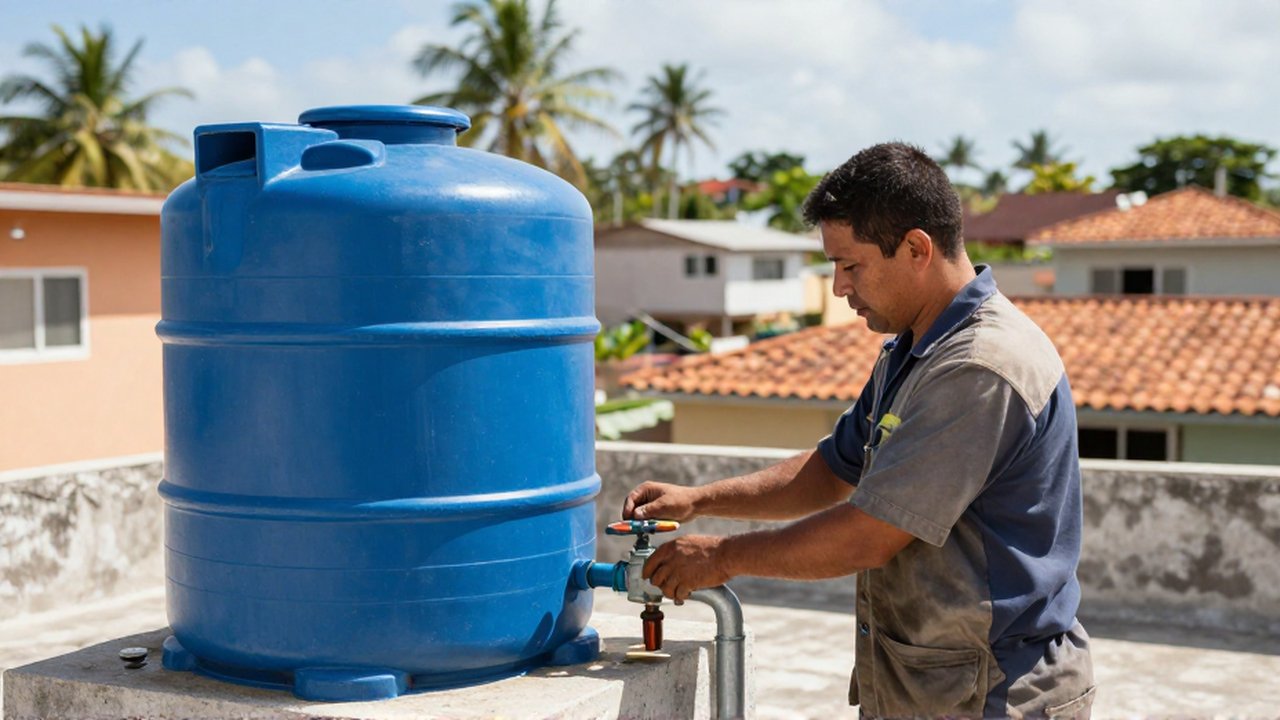
One of the most frequent reasons for low pressure in Dominican homes is related to the storage system. Most houses utilize a cistern (underground tank) and a tinaco (rooftop tank). If the water level in the rooftop tank is too low, gravity will not provide enough force to push water through the pipes effectively. This often happens during periods of municipal water scarcity or if the filling mechanism fails.
Additionally, sediment accumulation is a significant concern. Over time, sand, minerals, and debris settle at the bottom of cisterns and tanks. This sludge can block the intake valves or the suction lines of the water pumps. If the pump is sucking in air or sediment instead of clean water, the resulting pressure throughout the house will be inconsistent and weak.
Mechanical failures in water pumps
Since many homes rely on electric pumps to move water from the cistern to the rooftop tank or to provide direct pressure to the house, the pump's condition is critical. A malfunctioning pump is a primary culprit behind sudden drops in water flow. Common issues include:
- Pressure switch malfunctions: If the pressure switch is incorrectly calibrated or damaged, it may not tell the pump to turn on when needed, or it may shut off too early.
- Worn impellers: Over time, the internal components of the pump can wear down, reducing its ability to move water at high velocity.
- Air leaks in suction lines: If there is a small crack in the pipe leading from the cistern to the pump, air will enter the system. This "airlock" prevents the pump from maintaining steady pressure.
| Component | Symptom of Failure | Likely Action |
|---|---|---|
| Pressure Switch | Pump stays on or never turns on | Adjustment or replacement |
| Pump Motor | Excessive noise or no movement | Electrical check or motor replacement |
| Check Valve | Water flowing backward/pressure loss | Cleaning or replacement |
Blockages and mineral buildup in pipes
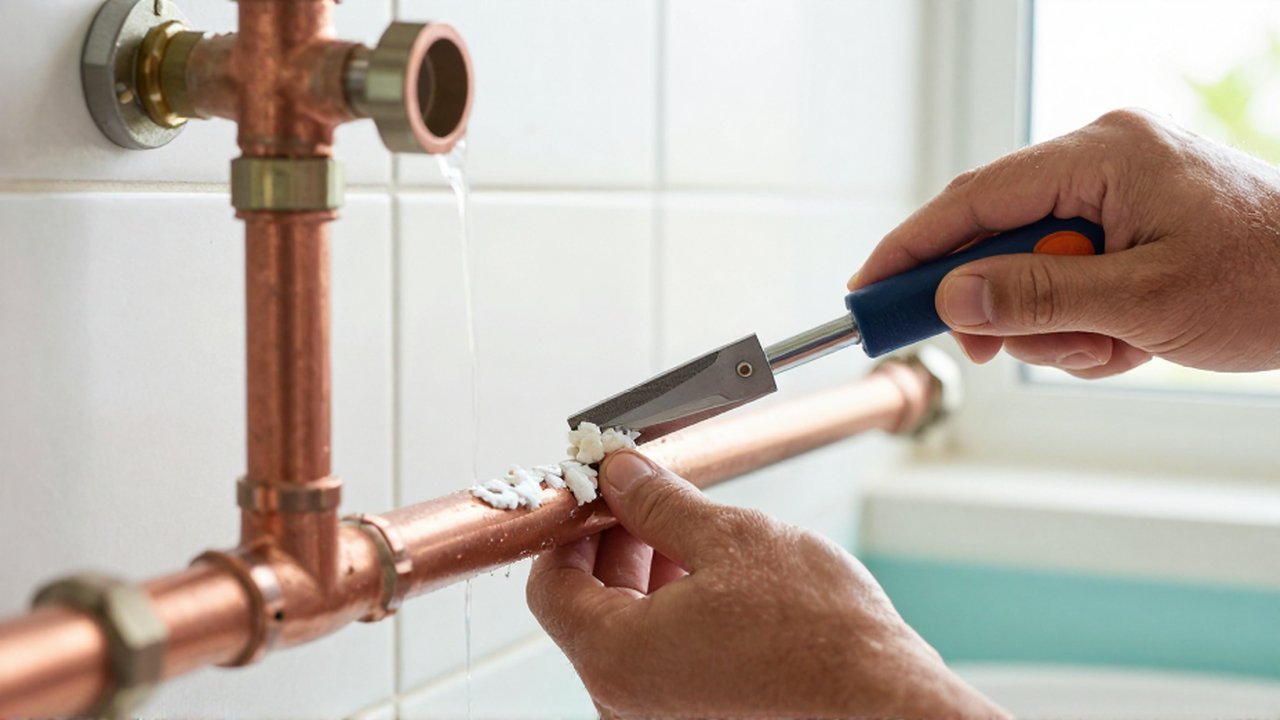
The water quality in different regions of the Dominican Republic can vary, often containing high levels of minerals or sediment. This leads to the gradual narrowing of pipes, a process known as scaling. As calcium and other minerals build up on the interior walls of the plumbing, the diameter through which water can flow decreases, directly causing a drop in pressure.
Furthermore, localized clogs are common. If the low pressure is only occurring at a single faucet, the problem is likely a clogged aerator—the small mesh screen at the tip of the spout. If the pressure is low in a specific room, it might indicate a blockage in the branch line or a partially closed valve. If the entire house suffers from low pressure, the issue is almost certainly central, such as the main supply line or the storage system.
Leaks and pipe integrity
Undetected leaks are a major cause of pressure loss and can lead to significant water waste and structural damage. A leak in the main line between the cistern and the house, or a leak in the distribution lines under the floor, will cause the system to lose pressure before the water even reaches the faucets.
In older constructions, corrosion of metal pipes can lead to pinhole leaks. Even if a leak is not visible, it can create a "bypass" where water escapes the pressurized system. To check for this, one should observe the water meter or the water level in the cistern when no taps are being used; if the level drops steadily, a hidden leak is likely present.
Frequently asked questions
How can I tell if my problem is with the municipality or my own house? Check your neighbors' water pressure. If their pressure is also low, the issue is likely with the municipal supply. If their pressure is normal, the problem is specific to your household's tanks, pumps, or internal plumbing.
Can sediment in the tank cause low pressure in the shower? Yes. Sediment can travel from the tank into the pipes and eventually clog the showerhead or the mixing valve, significantly reducing the flow of water.
Is it normal for water pressure to change during the day? In many areas, pressure fluctuates based on demand. During peak hours when many neighbors are using water, municipal pressure may drop. However, a permanent or severe drop should always be investigated.
Should I try to fix the water pump myself? While checking a tripped circuit breaker is safe, repairing the internal mechanics of a pump or adjusting pressure switches involves electrical and hydraulic components. It is recommended to consult a professional plumber or technician for these tasks.
Leave a Reply