
How to clean glass framed art in coastal areas
Introduction
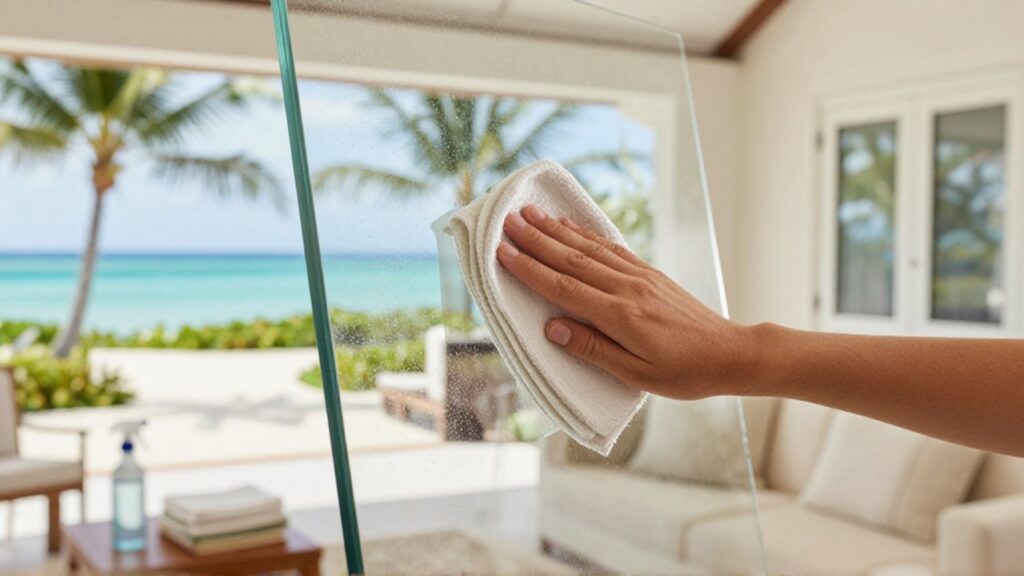
Living in a coastal environment brings unparalleled beauty, but the salt spray and high humidity levels present unique challenges for home decor. For those who display glass-framed art, the presence of airborne salt particles and moisture can lead to unsightly streaks, cloudy residue, and even long-term damage to the frames or the artwork itself. Regular maintenance is essential to prevent the corrosive effects of salt air from compromising your collection.
Cleaning glass-framed art in these regions requires a specialized approach that goes beyond standard dusting. Because salt is hygroscopic—meaning it attracts moisture—it can create a thin, sticky film on the surface that traps dust and promotes mold growth in the surrounding air. Understanding the correct techniques ensures that you preserve the clarity of the glass and the integrity of the pieces without risking chemical damage to the art or the mounting materials.
Challenges of salt air and humidity
The primary enemy of glass-framed art in coastal zones is the invisible layer of salt deposited by sea breezes. Unlike standard household dust, salt is chemically active. When it settles on glass, it can bond with the humidity in the air to form a crust that is difficult to remove with a dry cloth. If left unaddressed, this residue can migrate to the edges of the frame, potentially seeping into the crevices where the glass meets the mount.
Humidity also plays a critical role. In tropical or coastal climates, the air is often saturated with moisture, which can cause the paper or canvas inside the frame to expand or contract. If the cleaning process involves excessive liquid, you risk driving moisture behind the glass, which can lead to foxing (brown spots), mold, or warping of the artwork. Therefore, the goal is to achieve a streak-free finish while maintaining strict control over moisture levels.
Essential tools and materials
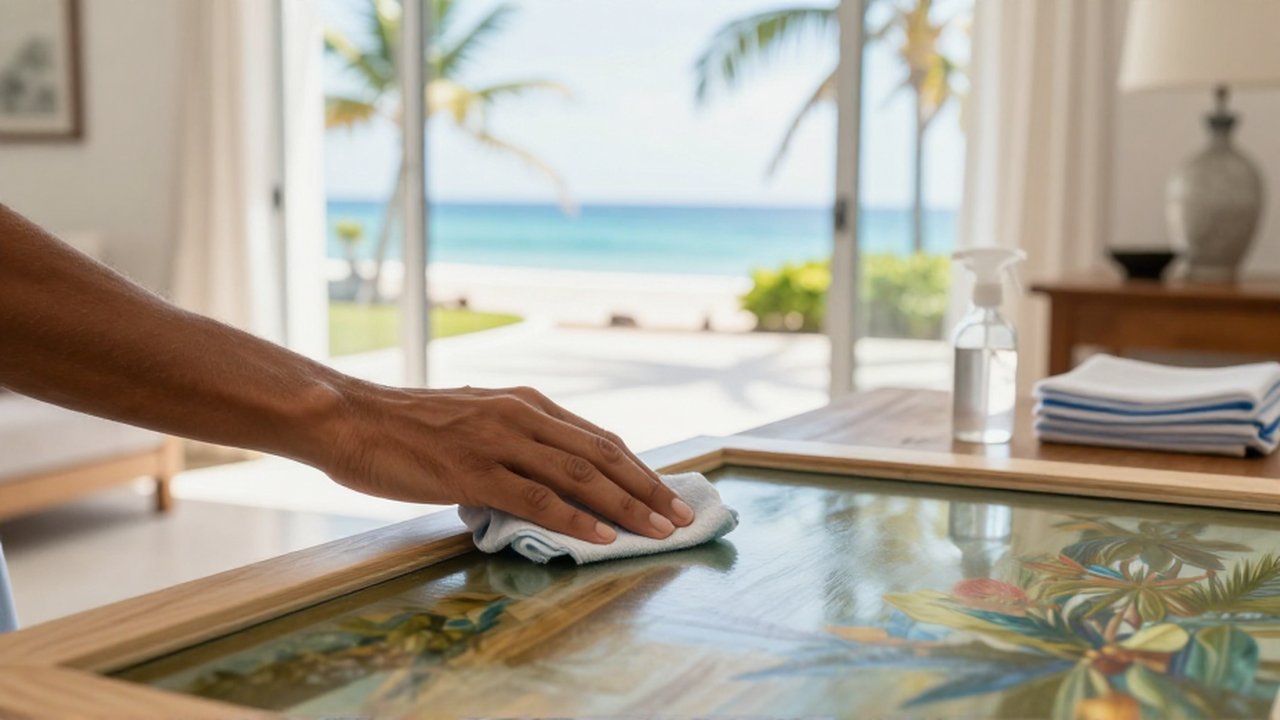
To clean your art safely, you should gather specific supplies before starting. Using the wrong chemicals, such as ammonia-based cleaners, can be disastrous if any residue manages to bypass the frame edges and touch the artwork.
| Tool/Material | Purpose | Note |
|---|---|---|
| Microfiber cloths | Dusting and polishing | Use high-quality, lint-free versions |
| Distilled water | Cleaning solution | Avoid tap water to prevent mineral streaks |
| Soft-bristled brush | Removing deep dust | Useful for ornate or textured frames |
| Squeegee (small) | Removing excess moisture | Only for very large, high-quality glass panels |
| Mild, pH-neutral soap | Optional cleaning agent | Use only in extremely small amounts |
Step by step cleaning process
The safest way to clean glass is to work from the outside in, ensuring that no liquid or debris enters the internal environment of the frame.
First, perform a dry dust. Use a soft, dry microfiber cloth or a clean, soft brush to remove loose salt crystals and dust from the glass and the frame. If you attempt to wipe a salty surface with a wet cloth immediately, you may end up spreading a gritty slurry that scratches the glass surface. Pay close attention to the corners and decorative grooves of the frame where salt tends to accumulate.
Second, prepare a cleaning solution. Instead of spraying a cleaner directly onto the glass—which can cause liquid to drip into the frame—apply a small amount of distilled water to your microfiber cloth. If the salt residue is particularly stubborn, you may use a drop of pH-neutral soap in the distilled water, but ensure the cloth remains damp rather than soaking wet.
Third, wipe the glass in a circular motion, starting from the center and moving toward the edges. Once the salt is removed, use a second, completely dry microfiber cloth to buff the glass. This step is crucial in coastal areas to prevent water spots from forming as the humidity interacts with the drying surface.
Common mistakes to avoid
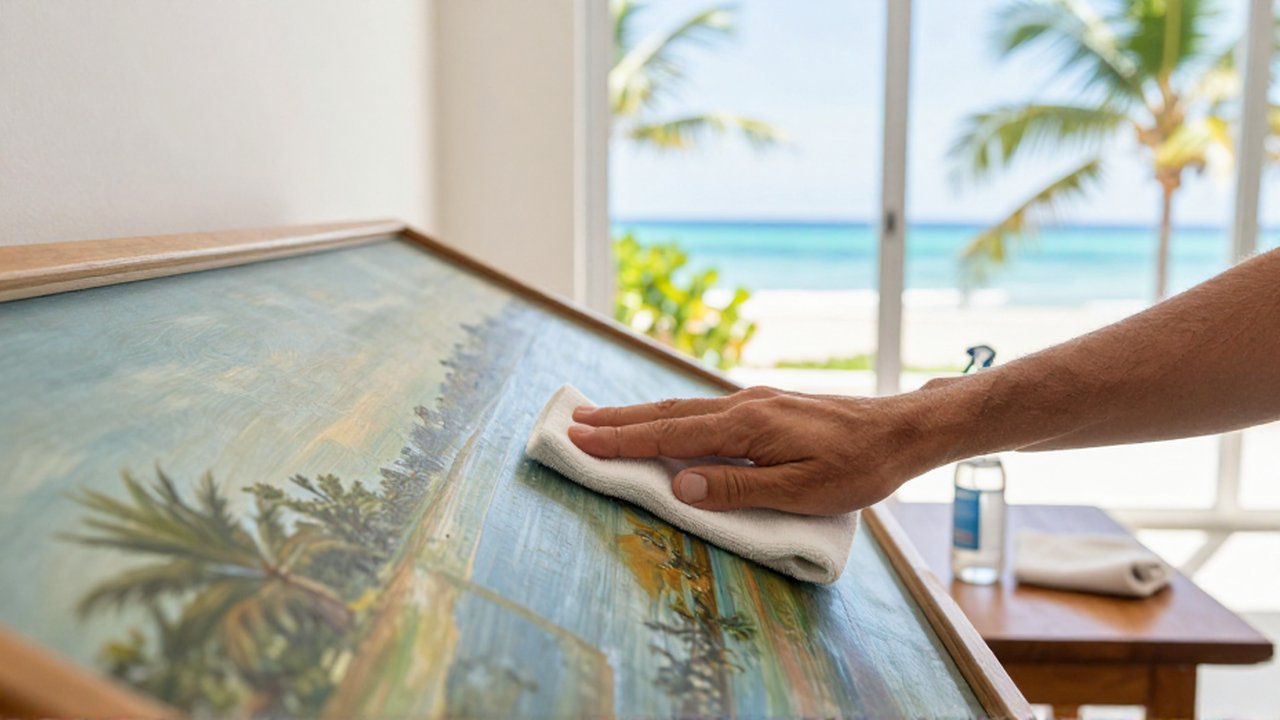
One of the most frequent errors is spraying cleaning agents directly onto the artwork. Even with a sealed frame, the pressure from a spray nozzle can force liquid through the tiny gaps between the glass and the frame. Always apply your cleaning solution to the cloth first.
Another mistake is using abrasive materials. Never use paper towels, which can leave lint and tiny scratches, or scouring pads, which will permanently mar the glass. Additionally, avoid using household glass cleaners that contain ammonia or vinegar. While these are effective for mirrors, the chemical vapors or accidental leaks can cause irreversible discoloration to the artwork, paper, or wooden frames.
Maintaining art in high humidity environments
To reduce the frequency of cleaning, consider the placement of your art. Avoid hanging pieces directly opposite windows that face the ocean, as this exposes the glass to constant salt spray and intense UV rays. If possible, keep the art in rooms with controlled climate settings, as stable humidity levels prevent the "sweating" effect on the glass surface.
Using high-quality, museum-grade glazing can also provide an extra layer of protection. Some advanced glass types are treated to resist fogging and are more resilient to the environmental stresses typical of coastal living. Regularly inspecting the seals of your frames can also help ensure that the internal environment remains protected from the salty, moist air outside.
Frequently asked questions
Can I use vinegar to clean the salt off the glass? It is generally not recommended for framed art. While vinegar is effective at dissolving salt, the acidic nature of the solution poses a high risk to the artwork and the frame if any liquid reaches the interior. Stick to distilled water.
How often should I clean my framed art? In coastal areas, a light dusting once a week and a more thorough cleaning with a damp microfiber cloth once a month is usually sufficient to prevent salt buildup.
What should I do if I see moisture inside the glass? If condensation or water droplets appear inside the frame, the seal has been compromised. You should consult a professional art conservator to have the piece opened, dried, and resealed properly to prevent permanent damage.
Does sunlight affect the cleaning process? Yes. Avoid cleaning art in direct, intense sunlight. The heat can cause the cleaning solution to evaporate too quickly, leading to streaks and water spots. Clean your art in a shaded area or during a time of day when the light is indirect.
Leave a Reply