
How to clean textured walls without damage
Introduction
Textured walls add character, depth, and visual interest to a home, breaking up the monotony of flat surfaces. However, these uneven patterns—ranging from subtle knockdown textures to heavy popcorn finishes—act as natural traps for dust, cobwebs, and airborne particles. Over time, neglecting these surfaces can lead to visible buildup that affects the overall aesthetic and air quality of your living space.
Cleaning these surfaces requires a specialized approach because traditional scrubbing methods can easily gouge the plaster or strip away the delicate peaks and valleys of the texture. Knowing how to navigate these irregularities without causing permanent cosmetic damage is essential for maintaining a pristine home. This guide provides safe, effective strategies for refreshing your walls while preserving their structural integrity.
Preparation and necessary tools

Before applying any liquids or cleaning agents, you must prepare the surface to prevent spreading dirt or causing unexpected staining. The most common mistake is jumping straight to a wet sponge, which can turn dust into a muddy paste that settles deeper into the texture. Always start with a dry cleaning method to remove the bulk of the debris.
A successful cleaning kit for textured walls should include the following items:
- Vacuum cleaner with a brush attachment or a soft dusting tool.
- Microfiber cloths that are soft and absorbent.
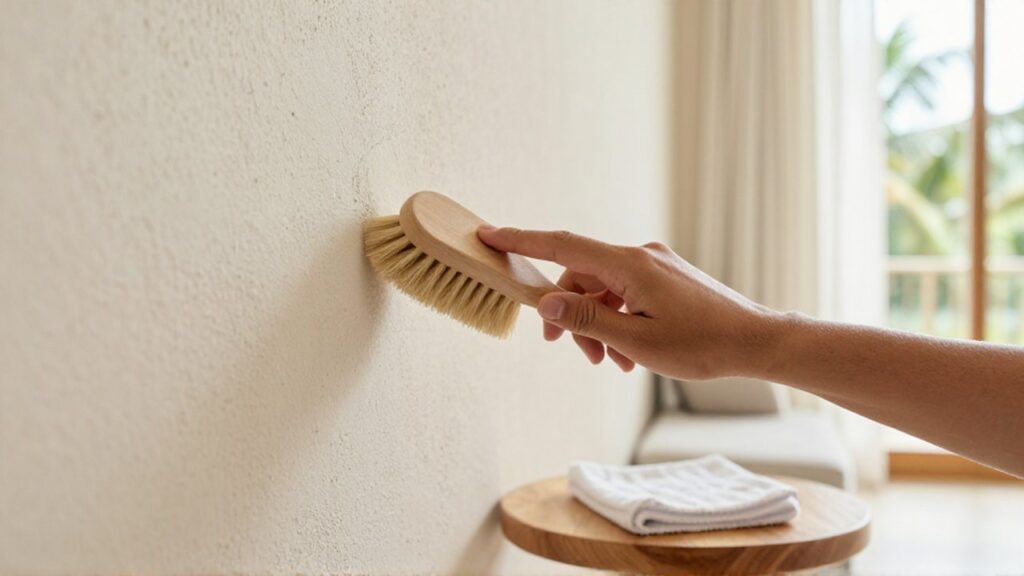
- A soft-bristled brush (such as a clean paintbrush or a specialized dusting brush).
- A mild dish soap or a specialized gentle surface cleaner.
- Two buckets for a warm water solution.
- A soft sponge (avoid abrasive scouring pads).
Always perform a spot test in an inconspicuous area, such as behind a sofa or near the floor, to ensure the cleaning solution does not discolor the paint or dissolve the texture itself.
Dry cleaning steps to remove dust
The first phase of cleaning must always be dry. This step is crucial because it removes the loose particles that would otherwise become smeared across the wall if they were to get wet. Using a vacuum with a brush attachment is often the most efficient method. Gently glide the brush over the texture, allowing the suction to pull dust out of the crevices without pressing too hard against the surface.
If you do not have a vacuum, a soft-bristled brush can be used to manually sweep the dust downward into a collection tray or onto a drop cloth placed on the floor. Be careful not to use a stiff broom, as the coarse bristles can scratch the paint or flatten the decorative peaks. This dry phase significantly reduces the amount of liquid needed later, which minimizes the risk of water damage or moisture seeping into the drywall.
Wet cleaning techniques for stubborn stains

Once the loose dust is gone, you can address more persistent marks, such as fingerprints or light grease. Create a cleaning solution by mixing a small amount of mild dish soap with warm water. Avoid using harsh chemicals, bleach, or abrasive powders, as these can strip the finish or alter the color of the wall.
To clean with liquid, follow these guidelines to prevent damage: 1. Dampen, do not soak: Dip your microfiber cloth or soft sponge into the solution and wring it out thoroughly. The cloth should be damp, not dripping wet. Excess water can seep into the texture and cause it to crumble or peel. 2. Use a gentle motion: Instead of scrubbing back and forth vigorously, use small, circular motions. This helps lift the dirt out of the valleys of the texture rather than pushing it deeper. 3. Rinse with clean water: After cleaning a section with the soapy solution, use a second cloth dampened with only plain water to "rinse" the area. This prevents soap residue from drying on the wall and leaving a dull film. 4. Dry immediately: Use a fresh, dry microfiber cloth to pat the area dry. Leaving textured walls to air-dry can sometimes lead to water spots or uneven drying patterns.
Common mistakes to avoid
Preserving the look of your walls requires avoiding several common pitfalls. The most frequent error is using excessive force. Because textured walls are built up in layers, heavy pressure can flatten the pattern, leaving a "bald" spot that is highly visible when light hits the wall at an angle.
Another significant risk is over-saturation. In humid climates, introducing too much moisture into a textured surface can exacerbate issues with mold or cause the underlying drywall to soften. Furthermore, never use abrasive sponges or "magic erasers" on delicate textures unless you have verified they will not act like sandpaper on the paint finish. Finally, avoid cleaning from the top down with a heavy dripping sponge; always work in controlled, localized areas to maintain management over moisture levels.
Frequently asked questions
Can I use a pressure washer on textured walls? No, you should never use a pressure washer on interior textured walls. The high pressure will likely strip the texture away entirely and can damage the drywall underneath.
How do I deal with dark spots or mold on texture? If the spots appear to be mold, avoid aggressive scrubbing. Use a specialized mold cleaner or a very diluted vinegar solution, and ensure the area is dried completely. If the growth is extensive, consult a professional to ensure the moisture source is addressed.
Is it safe to use a steam cleaner? Steam cleaners can be risky. While they are effective at loosening dirt, the intense heat and moisture can soften some types of texture or cause paint to blister. Always test a small, hidden area first.
How often should I clean textured walls? For general maintenance, a light dusting every few months is sufficient to prevent buildup. Deep cleaning with liquids should only be done when visible stains or grime appear.
Leave a Reply