
How to detect hidden water leaks in your home

Introduction
Detecting hidden water leaks is a vital aspect of home maintenance that can prevent significant structural damage and unnecessary expenses. Water leaks often occur behind walls, under floorboards, or beneath concrete slabs, making them invisible to the naked eye until they cause serious issues. Identifying these leaks early helps protect your property from mold growth, wood rot, and foundation instability, while also preventing astronomical water bills.
A proactive approach is necessary because a small, unnoticed drip can eventually escalate into a catastrophic failure. Understanding the subtle signs of moisture and learning basic diagnostic techniques allows homeowners to intervene before a minor plumbing issue becomes a major renovation project. This guide provides practical methods to identify potential leaks and take the necessary steps to protect your living environment.
Common signs of water damage
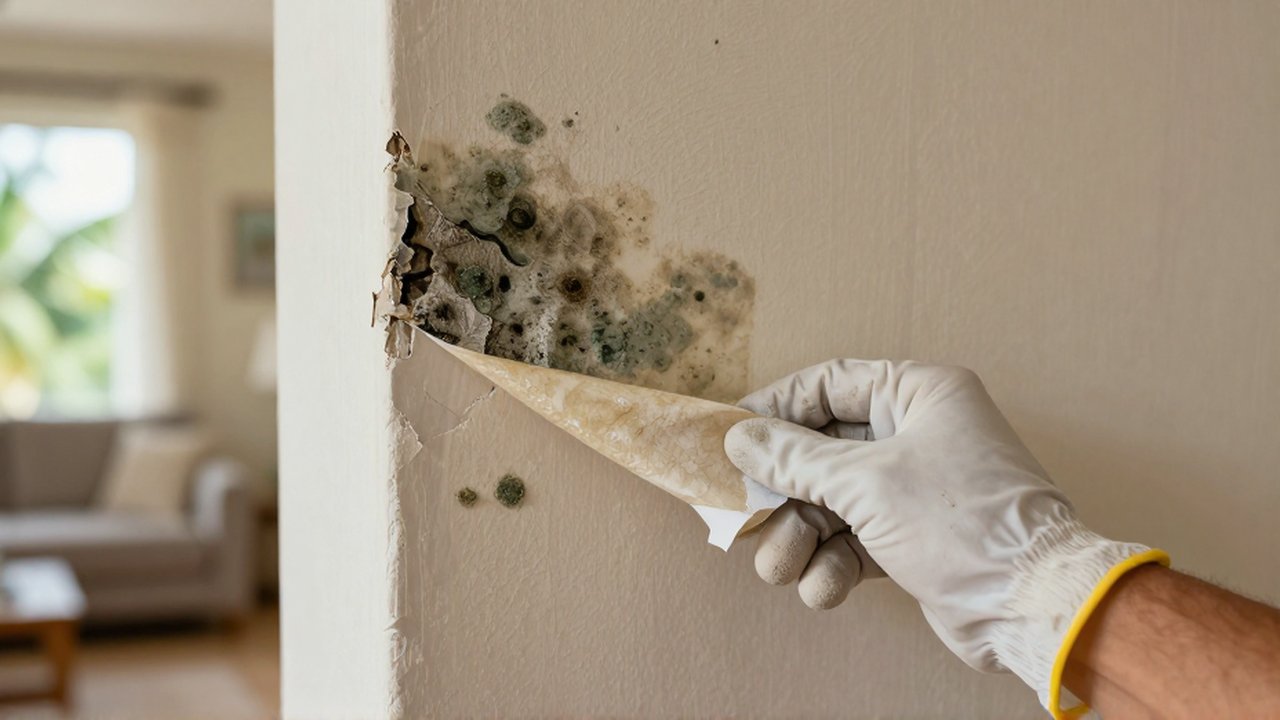
Recognizing the symptoms of a leak is the first step in a successful investigation. Because hidden leaks do not always present as a puddle on the floor, you must look for indirect indicators throughout your home. One of the most frequent signs is the sudden appearance of mold or mildew, which often manifests as dark spots on walls, ceilings, or in the corners of bathrooms and kitchens.
Changes in the physical structure of your home can also signal trouble. If you notice paint peeling, bubbling, or discoloring on a wall, it is often a sign that moisture is trapped behind the surface. Similarly, warping in wooden floorboards or baseboards, or a musty, damp odor in rooms that are typically dry, should be treated as immediate red flags.
In some cases, the signs are found in the utility areas. If you see unexplained dampness on the floor near the water heater, washing machine, or under the kitchen sink, a leak is likely occurring. Even if you do not see liquid, a sudden, unexplained increase in your monthly water bill is one of the most reliable indicators that water is escaping your system somewhere.
Simple methods for testing leaks
Before calling a professional, there are several DIY methods you can use to narrow down the location of a leak. One of the most effective ways to check for a leak in the toilet is the food coloring test. By adding a few drops of food coloring to the toilet tank and waiting without flushing, you can observe if the color seeps into the bowl. If the colored water appears in the bowl, the flapper valve is leaking and needs replacement.
To check the integrity of your entire plumbing system, perform a meter test. First, ensure that every faucet, shower, dishwasher, and washing machine in the house is turned off. Locate your water meter and note the reading. Leave the water unused for at least an hour—or overnight if possible—and then check the meter again. If the reading has changed, you have a leak somewhere in the system.
For checking specific appliances or fixtures, a visual inspection of connections is essential. Check the flexible hoses under sinks and behind toilets for any signs of moisture or mineral buildup, which often indicates a slow drip. If you have a water heater, look for any pooling at its base, which could indicate a failing pressure relief valve or tank corrosion.
Comparing leak types and impacts
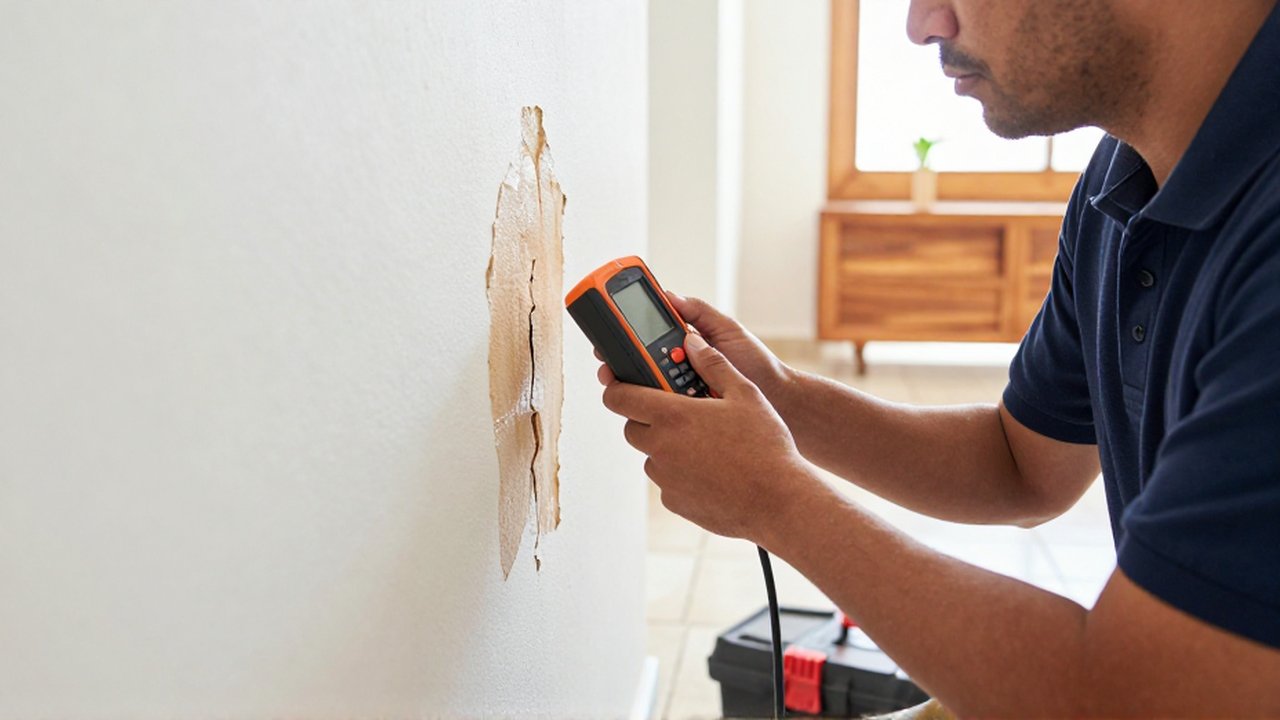
Understanding the difference between different types of leaks can help you prioritize repairs. The following table outlines the general characteristics of common leak scenarios:
| Leak Type | Typical Location | Primary Risk | Detection Method |
|---|---|---|---|
| Supply Line Leak | Behind walls or under floors | High pressure can cause rapid flooding | Water meter test / Sudden bill spike |
| Drainage Leak | Under sinks or behind toilets | Slow damage, mold, and odors | Visual inspection / Foul smells |
| Fixture Leak | Faucets, toilets, showerheads | Incremental waste and localized rot | Food coloring test / Dripping sounds |
| Appliance Leak | Washing machines, dishwashers | Damage to flooring and cabinetry | Visual inspection of connections |
Essential steps for troubleshooting
If you have confirmed that a leak exists but cannot see it, follow these logical steps to isolate the problem:
- Isolate the zone: If your home has shut-off valves for specific areas (like the bathroom or kitchen), turn them off one by one to see if the meter stops moving.
- Check pressure: If you notice low water pressure in certain faucets, it may indicate a leak in the main supply line or a significant blockage.
- Auscultation: In a quiet house, you can sometimes hear the sound of running water behind walls or under floors. Use a stethoscope or even a long screwdriver held against the wall to listen for a constant hissing or trickling sound.
- Inspect the exterior: Don't forget to check the area around your home's foundation and outdoor spigots. Leaks in underground irrigation or exterior lines can saturate the soil around your house.
Frequent questions about water leaks
How can I tell if a leak is in the supply line or the drain line? A supply line leak will typically cause the water meter to move even when no water is being used in the house. A drain line leak usually only becomes apparent when water is actively being used or when you notice dampness specifically following a shower or sink usage.
Will a small leak always cause mold? Not always, but it is very likely. If the moisture is constant and the area has poor ventilation, mold will eventually grow. Even if mold does not appear, the constant moisture can lead to structural rot and weakened building materials.
When should I stop DIY testing and call a plumber? If your meter test indicates a leak but you cannot visually locate it, or if you suspect a leak is located under a concrete slab, you should call a professional. Specialized equipment, such as acoustic detectors or thermal imaging cameras, is often required to find these hidden issues without destroying walls.
Can a leak cause my water bill to rise if I don't see any water? Yes. Many leaks involve very small amounts of water that seep into the ground or evaporate into the air before they create visible puddles. These "silent leaks" can still add significant volume to your monthly usage.
Leave a Reply