
How to identify dangerous mold growth indoors
Introduction
Mold is a common issue in tropical environments where high humidity levels provide the perfect breeding ground for fungal spores. Identifying mold growth early is essential for maintaining a healthy living environment and protecting the structural integrity of your home. Recognizing the difference between minor surface discoloration and dangerous infestations can prevent long-term respiratory issues and costly property damage.
Understanding how to spot various types of mold involves more than just looking for dark spots on a wall. It requires an awareness of sensory cues, specific structural patterns, and the potential health risks associated with different species. By learning the warning signs, homeowners can take proactive steps to mitigate moisture and address growth before it becomes a widespread problem.
Visual signs of mold infestations

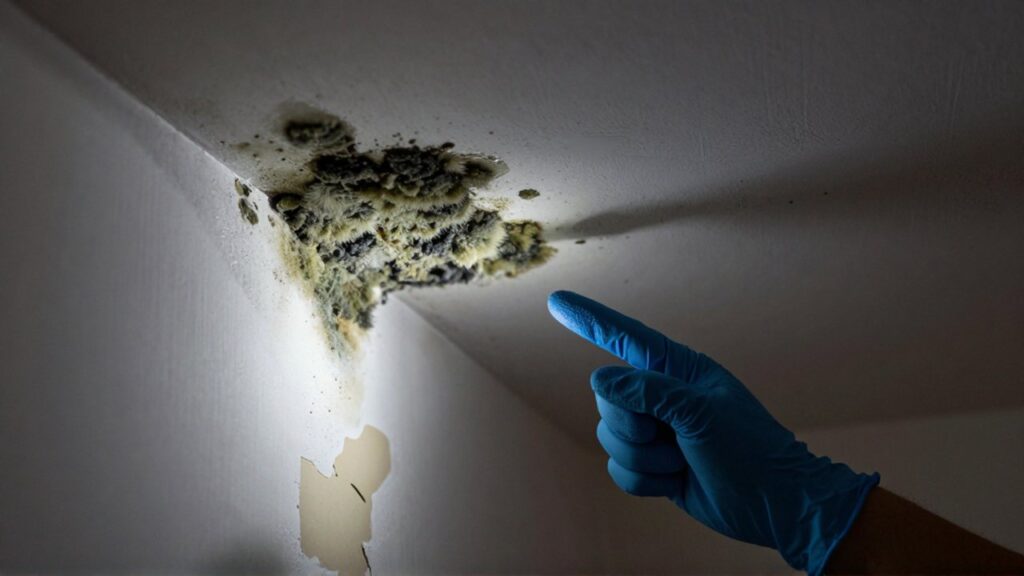
The most obvious way to detect mold is through visual inspection. While not all mold is black, most dangerous varieties manifest as distinct patches on surfaces that are frequently exposed to moisture. You should look for discoloration on ceilings, walls, and baseboards, particularly in areas near bathrooms, kitchens, or areas prone to leaks.
Typical visual indicators include:
- Dark patches: Often appearing as black, dark green, or deep grey spots.
- Fuzzy textures: Mold often looks like a velvety or fuzzy coating on porous surfaces like drywall or wood.
- Staining: Yellow or brownish water stains on ceilings often indicate a hidden leak where mold is likely developing behind or within the material.
- Discoloration on fabrics: Mold can appear as small, multicolored spots on curtains, upholstery, or clothing stored in humid closets.
It is important to note that mold can grow behind wallpaper, under carpets, and inside wall cavities. If a wall looks bubbled or the paint is peeling, it is a strong sign that moisture is trapped behind the surface, creating a prime environment for mold colonies.
Olfactory cues and sensory warnings
Sometimes, mold is difficult to see because it is hidden behind furniture or inside air conditioning vents, but it is almost always detectable through smell. A persistent, musty, or earthy odor is one of the most reliable indicators of an indoor mold problem. This smell is caused by microbial volatile organic compounds (mVOCs) released by the mold as it grows.
If you notice a heavy, damp scent in a specific room—even if the area looks clean—you should investigate the possibility of mold growth. This is particularly common in closed environments like walk-in closets, storage rooms, or basements where air circulation is poor. If the smell intensifies when you turn on an air conditioning unit, the mold may be located within the ductwork or the evaporator coils.
Common areas of high risk
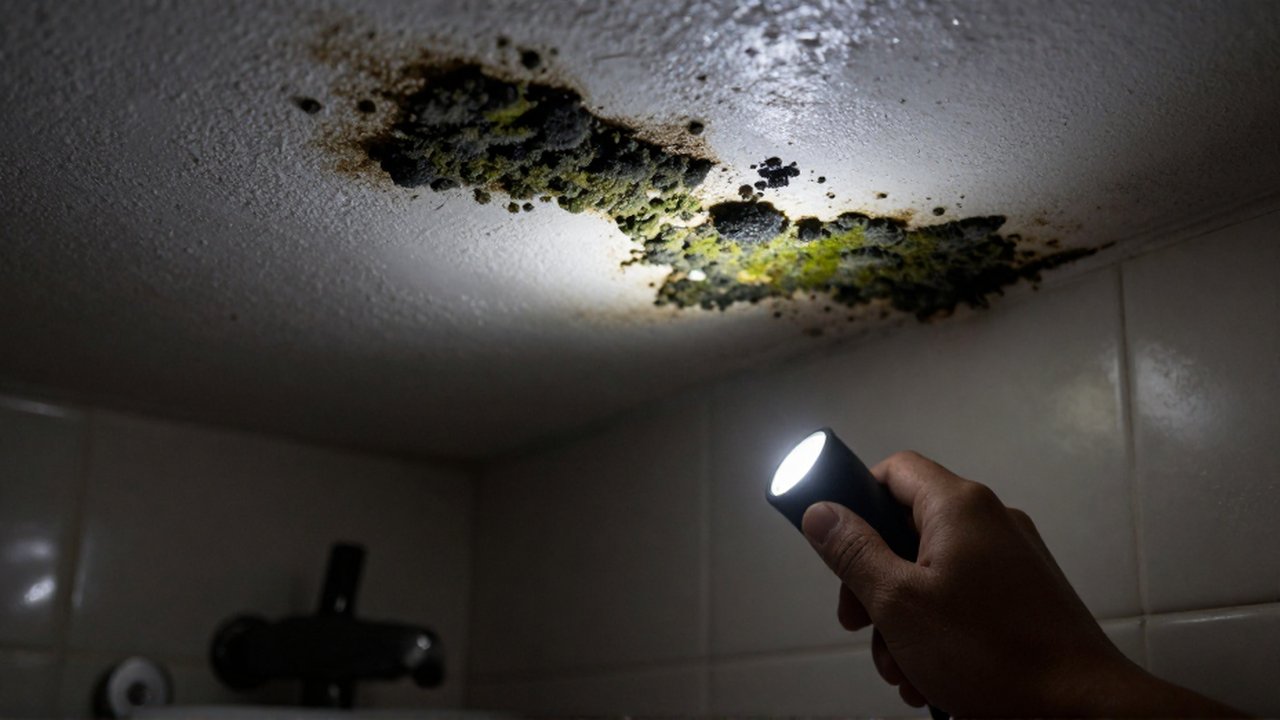
In regions with high humidity, certain parts of the house are much more susceptible to dangerous mold growth than others. Identifying these high-risk zones allows for more frequent inspections.
| Area | Risk Factor | Typical Surface |
|---|---|---|
| Bathrooms | High humidity and direct water contact | Tiles, grout, shower curtains, ceilings |
| Kitchens | Steam from cooking and plumbing leaks | Under sinks, behind refrigerators, cabinets |
| Laundry Rooms | Moisture from washing and drying | Walls near machines, floor corners |
| Exterior Walls | Rain penetration and condensation | Window frames, baseboards, corners |
| Attics/Ceilings | Poor ventilation and roof leaks | Insulation, wooden rafters, drywall |
Focusing your attention on these areas can help you catch a problem in its infancy. Pay close attention to any areas where condensation frequently forms, such as window sills or the edges of cooling vents, as these are the first places mold will establish itself.
Health indicators and related symptoms
While visual and olfactory signs are the primary ways to identify mold, the physical reactions of the people living in the home can serve as a secondary warning. Certain individuals are more sensitive to mold spores than others, but a general decline in air quality often results in shared symptoms among household members.
Common symptoms associated with mold exposure include respiratory irritation, such as coughing, sneezing, or a runny nose. Some may experience itchy eyes, skin rashes, or headaches. If these symptoms seem to improve when you leave the house and worsen when you return, it is a strong indication that an indoor environmental factor, such as mold, is the likely cause.
It is crucial to consult with a healthcare professional for any persistent symptoms. While mold can exacerbate existing conditions like asthma or allergies, it can also cause new sensitivities that require professional medical assessment.
Frequently asked questions
Can mold grow on painted walls? Yes, mold can grow on painted surfaces, especially if the paint is old, cracked, or if there is moisture trapped behind the paint layer. High humidity can also cause condensation on the wall, providing the moisture necessary for mold to feed on the paint or the drywall underneath.
How can I tell the difference between mold and water stains? Water stains are usually flat discolorations that appear light brown or yellow and indicate where water has soaked into a material. Mold tends to be more textured (fuzzy or slimy) and usually features darker colors like black, green, or grey. However, a water stain often precedes or accompanies mold growth.
Is all black mold dangerous? While "black mold" is a common term used to describe various dark-colored fungi, not all dark mold is equally toxic. However, many dark molds produce mycotoxins that can impact health. Because it is difficult to identify specific mold species without professional testing, any significant growth should be treated with caution.
How does humidity contribute to mold growth? Mold requires moisture to survive and reproduce. When indoor humidity levels remain consistently high, moisture settles on surfaces through condensation or stays trapped in porous materials. This constant supply of water allows mold spores to germinate and grow rapidly.
Leave a Reply