
How to maintain air conditioner electrical connections regularly
Introduction
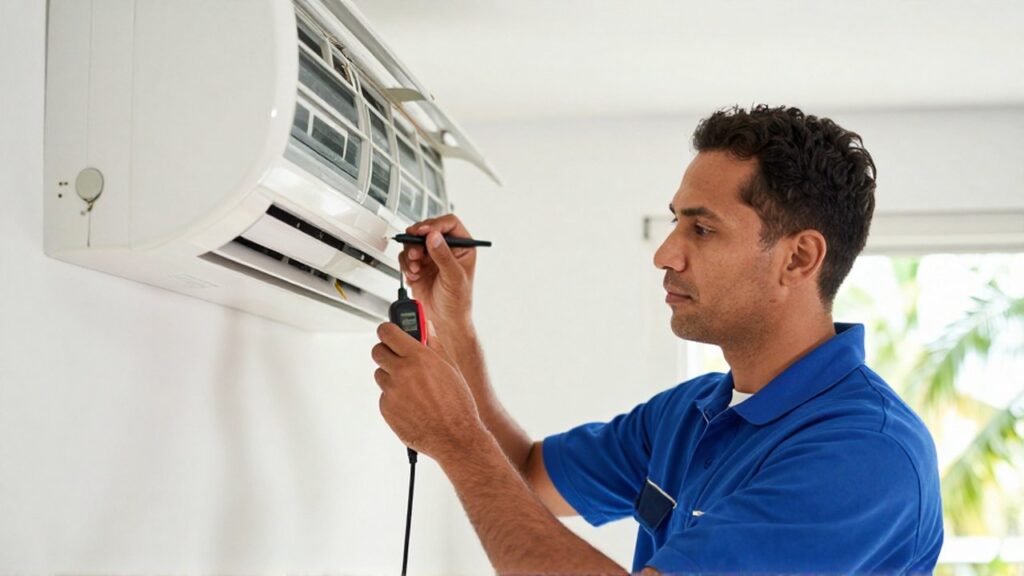
Maintaining the electrical connections of your air conditioning unit is a critical aspect of home maintenance, especially in tropical climates where cooling systems run for extended periods. Regular inspections of these connections ensure that the unit operates efficiently, prevents unexpected breakdowns, and reduces the risk of electrical fires. While many homeowners focus on cleaning filters, the electrical components act as the nervous system of the device, directing the power necessary for every cycle.
Performing this maintenance periodically helps identify signs of wear, such as frayed wires or loose terminals, before they cause catastrophic failure. When connections are compromised, the unit may struggle to start, cycle on and off too frequently, or consume excessive amounts of electricity. By establishing a routine of monitoring these connections, you can extend the lifespan of your appliance and ensure a safer living environment for your household.
Importance of electrical connection stability
The electrical integrity of an air conditioner directly impacts its cooling performance and energy consumption. When connections are loose or corroded, it creates electrical resistance. This resistance generates heat, which can melt plastic housings, damage sensitive control boards, and lead to significant increases in your monthly electricity bills.
In regions with high humidity, oxidation is a common enemy. Salt air and moisture can cause copper wiring and metal terminals to corrode, leading to poor conductivity. If the electrical flow is interrupted or becomes inconsistent, the compressor—the most expensive part of the system—may suffer permanent damage due to irregular voltage. Regular checks allow you to catch these subtle changes in the system's electrical health.
Essential inspection steps for homeowners
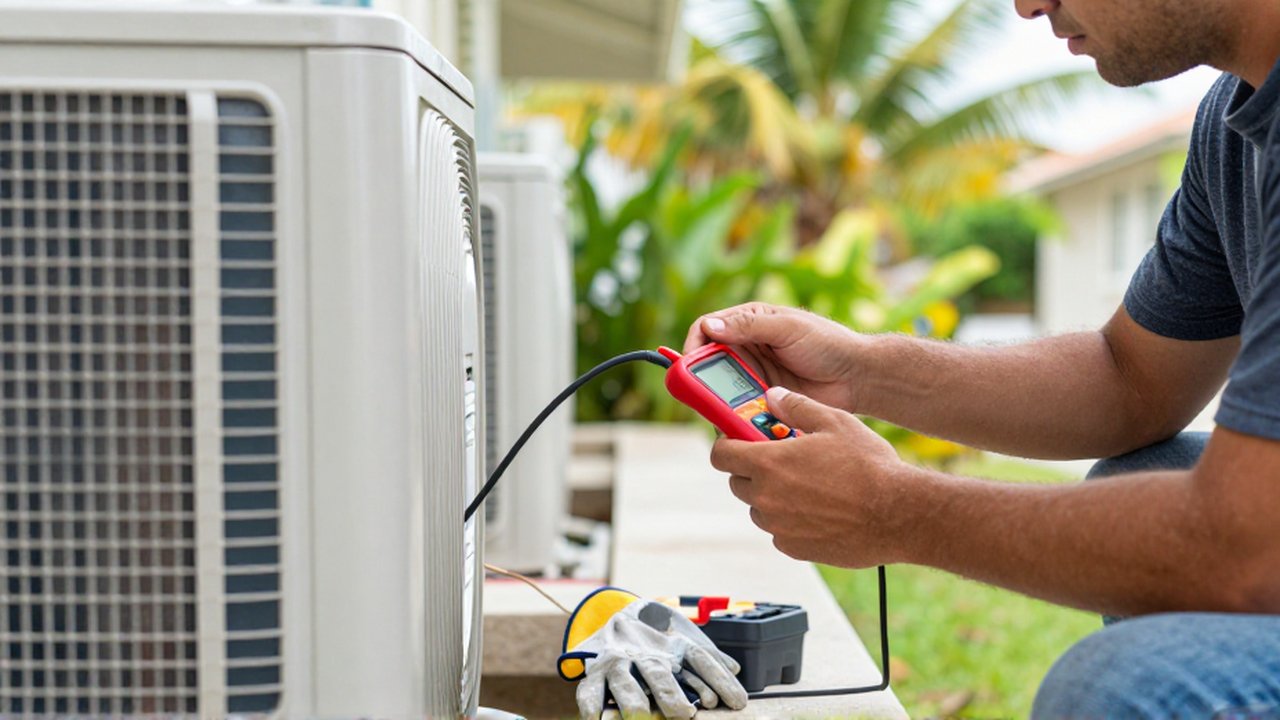
While deep electrical work should always be left to licensed professionals, homeowners can perform certain visual and sensory inspections to ensure safety.
To begin, always ensure the power is completely disconnected at the main breaker before performing any close inspection. Begin by examining the external power cord or the conduit leading to the unit. Look for any signs of cracking, fraying, or discoloration in the insulation. Discolored or "charred" looking plastic is a clear sign of overheating and requires immediate professional attention.
Next, inspect the outdoor disconnect box. This is the safety switch located near the condenser unit. Ensure the box is free of debris, insects, or heavy corrosion. Check the plug and receptacle for any signs of melting or soot. Inside the indoor unit, if it is safe to do so, check the area around the thermostat wiring for any signs of nesting rodents, as chewed wires are a common cause of electrical faults.
Common signs of faulty electrical connections
Recognizing the symptoms of electrical degradation can save you from an emergency repair. Pay close attention to how your unit behaves during its startup phase and its continuous operation.
- Unusual noises: Buzzing, clicking, or humming sounds coming from the electrical panel or the unit itself often indicate arcing or loose connections.
- Frequent tripping of breakers: If your circuit breaker trips every time the air conditioner kicks on, there is likely a short circuit or an overloaded connection.
- Erratic thermostat behavior: If the temperature in the room fluctuates wildly or the unit fails to respond to settings, the communication wiring between the thermostat and the unit may be compromised.
- Burning smells: A distinct smell of ozone or burning plastic near the unit is a critical warning sign of an electrical malfunction.
Maintenance checklist and frequency

To maintain a reliable cooling system, follow a structured schedule. Consistency is more important than performing a single, massive overhaul once a year.
| Frequency | Task | Focus Area |
|---|---|---|
| Monthly | Visual inspection | Check for visible damage to external cords and debris buildup. |
| Quarterly | Environmental check | Inspect the outdoor disconnect box for moisture or corrosion. |
| Bi-Annually | Operational check | Listen for unusual sounds and monitor energy consumption patterns. |
| Annually | Professional service | Have a technician tighten terminals and test voltage levels. |
Risks of neglecting electrical maintenance
Neglecting the electrical side of air conditioning maintenance carries two primary risks: financial loss and physical danger. Financially, a small loose wire can lead to a failed compressor or a burnt-out control board, both of which are costly repairs. Furthermore, inefficient connections force the motor to work harder, driving up energy costs.
From a safety perspective, electrical faults are a leading cause of household fires. Arcing—where electricity jumps across a gap in a loose connection—creates intense heat that can ignite nearby materials. Additionally, faulty grounding or damaged insulation poses a significant risk of electric shock to anyone touching the unit or its associated components.
Frequently asked questions
Can I tighten electrical connections myself? You should only perform visual inspections and ensure external plugs are seated firmly. Any task involving opening electrical panels, tightening terminals, or touching bare wires should be handled by a qualified electrician or HVAC technician to avoid electrocution.
How does humidity affect electrical connections? High humidity promotes oxidation and corrosion on metal contact points. This layer of corrosion acts as an insulator, making it harder for electricity to flow, which causes heat buildup and potential component failure.
Why does my air conditioner breaker trip frequently? Frequent tripping usually indicates an electrical overload, a short circuit, or a failing component like a capacitor. It can also be caused by loose connections that create high resistance. You should call a professional to diagnose the root cause.
Is it normal for wires to feel warm? While some heat is expected during operation, wires and electrical components should not feel hot to the touch. If you notice warmth radiating from a connection point or a wire, it is a sign of excessive resistance and an immediate fire hazard.
Leave a Reply