
Step by step guide to cleaning outdoor patio furniture
Introduction
Outdoor patio furniture is an essential component of any home designed for relaxation and entertainment. However, being constantly exposed to the elements—sun, rain, dust, and humidity—means these items accumulate dirt, mold, and pollen much faster than indoor furniture. Regular cleaning is necessary not only to maintain the aesthetic appeal of your outdoor living space but also to extend the lifespan of the materials used in construction.
Neglecting your patio set can lead to permanent damage, such as rust on metal frames, fading from UV exposure, or deep-seated mildew in fabric cushions. By implementing a consistent cleaning routine, you can preserve the structural integrity and comfort of your seating, dining sets, and loungers. This guide provides a systematic approach to cleaning different types of outdoor furniture, ensuring each material receives the specific care it requires.
Essential tools and supplies for cleaning
Before beginning the cleaning process, it is vital to gather the correct supplies to avoid damaging delicate surfaces. Using an abrasive sponge on plastic or a harsh chemical on painted metal can cause irreversible scratches or discoloration.
For most cleaning tasks, a basic kit will suffice. You should have a soft-bristle brush, a mild liquid dish soap, and several microfiber cloths. A bucket for soapy water and a garden hose with a sprayer attachment are also necessary. For more stubborn stains or organic growth like mold, you may need a solution of water and white vinegar or a specialized cleaner designed for the specific material of your furniture.
For different materials, consider these specific additions:
- Wicker/Rattan: Small soft brushes for reaching tight weaves.
- Metal: Non-abrasive pads to remove surface oxidation.
- Fabric Cushions: A soft laundry brush and a vacuum with an upholstery attachment.
- Wood: Specialized wood cleaners or oils to prevent cracking.
Cleaning process for plastic and resin furniture
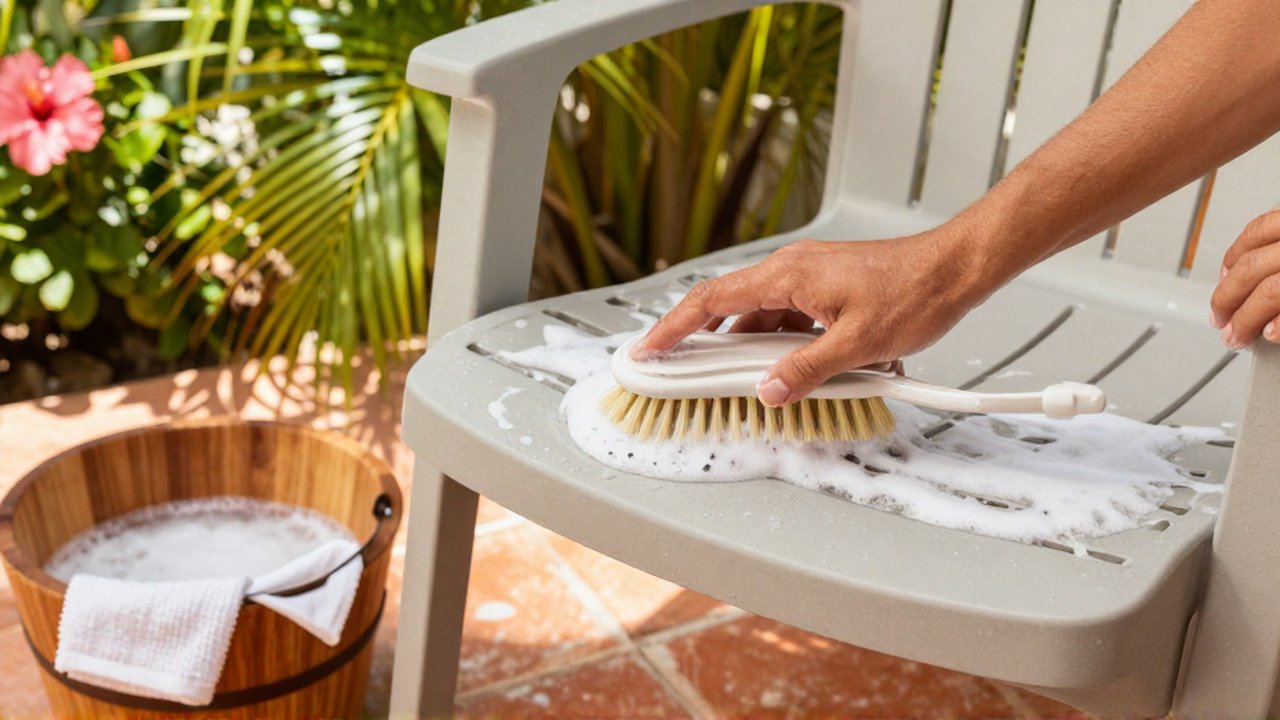
Plastic and resin furniture are popular due to their durability and low maintenance, but they are prone to surface buildup and algae growth in humid environments.
Start by removing any loose debris, such as dried leaves or twigs, using a soft broom or a leaf blower. Once the surface is clear, rinse the furniture thoroughly with a garden hose to remove dust and grit that could scratch the plastic during scrubbing.
Fill a bucket with warm water and a few drops of mild dish soap. Using a soft cloth or a sponge, scrub the entire surface, paying close attention to the joints and legs where dirt tends to collect. If you notice green algae or mildew, create a mixture of one part vinegar to three parts water and apply it to the affected areas, letting it sit for a few minutes before rinsing. Finally, rinse the furniture again with clean water and allow it to air dry completely in the shade to avoid water spots.
Maintenance of metal patio sets
Metal furniture, often made of aluminum, wrought iron, or stainless steel, requires careful handling to prevent corrosion and finish degradation.
The first step is to rinse the metal thoroughly to remove salt, dust, and pollutants. For light cleaning, a sponge and mild soapy water are sufficient. Scrub the frames gently, ensuring you reach the crevices where moisture can sit and cause rust.
If you encounter rust spots on iron or steel, use a fine-grade scouring pad to gently buff the area until the rust is removed. After the rust is gone, rinse the area and consider applying a specialized metal protectant or a thin layer of wax to create a barrier against moisture. For aluminum, avoid using highly acidic or alkaline cleaners, as these can strip the protective coating. Always dry the metal thoroughly with a clean cloth to prevent water spots or rapid oxidation.
Proper care for wicker and rattan furniture
Wicker and rattan, whether natural or synthetic, present a challenge because of their intricate woven patterns. Dirt and moisture can easily become trapped within the weaves, leading to rot in natural materials or brittleness in synthetic ones.
Begin by vacuuming the furniture or using a soft brush to remove dust and debris from the crevices. For a deeper clean, use a bucket of warm, soapy water and a soft-bristle brush. Gently scrub the furniture, following the direction of the weave to avoid snagging the fibers.
Avoid soaking wicker or rattan excessively, as trapped moisture can lead to mold growth inside the material. After scrubbing, rinse with a low-pressure hose and wipe down with a dry cloth. If you are cleaning natural wicker, ensure it is dried completely in a well-ventilated area; avoid direct, intense sunlight for prolonged periods, as this can cause natural fibers to become brittle and crack.
Cleaning and protecting fabric cushions
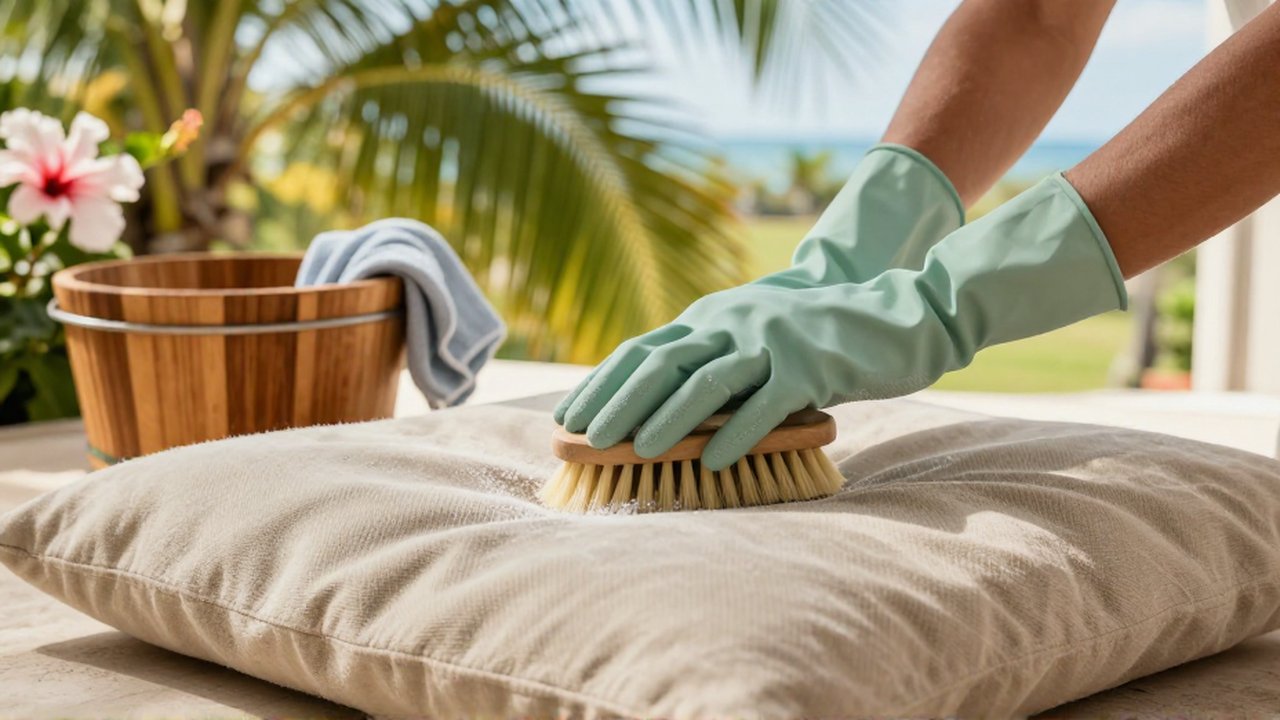
Cushions are often the most absorbent part of a patio set, making them magnets for spills, pollen, and mold.
Start by removing all cushions from the patio and shaking them out to remove loose dirt. Use a vacuum attachment to clean the surface and any folds. For light stains, blot the area with a damp cloth and mild soap. Avoid rubbing the stain, as this can push it deeper into the fibers.
For deeper cleaning, you can spot-treat stains with a mixture of water and a small amount of mild detergent. If the cushions are machine washable, check the manufacturer's care label first. If they are not, use a soft brush to gently agitate the cleaning solution into the fabric. Always air-dry cushions in a shaded, breezy area. Never place wet cushions in direct sunlight, as this can cause uneven fading and make the fabric stiff.
Common mistakes to avoid during cleaning
To ensure the longevity of your outdoor furniture, avoid these frequent errors:
- Using high-pressure washers: While they seem efficient, the high pressure can strip paint from metal, damage the delicate fibers of wicker, or tear fabric.
- Applying harsh chemicals: Bleach and strong acids can discolor plastic and corrode metal finishes. Always test a small, inconspicuous area first.
- Over-saturating materials: Especially with wood and wicker, excessive water can lead to internal rot and mold that is difficult to remove.
- Ignoring the underside: People often focus only on the visible surfaces, but dirt and moisture often collect underneath chairs and tables, leading to structural decay.
Frequently asked questions
How often should I clean my outdoor furniture? A thorough cleaning should be done at the start of the spring season and again in the autumn. However, during high-pollen seasons or after heavy storms, a quick rinse can prevent buildup.
Can I use bleach to remove mold from my patio set? It is best to avoid bleach, especially on plastic and fabric, as it can cause discoloration. A mixture of white vinegar and water is a much safer and effective alternative for killing mold and mildew.
What is the best way to prevent rust on metal furniture? The best prevention is regular cleaning to remove salt and moisture, followed by the application of a protective wax or a specialized metal sealant to maintain the integrity of the finish.
How can I tell if my cushions need professional cleaning? If stains persist after home spot-treatment, or if you notice a musty smell that suggests mold is growing deep within the foam, it is time to seek professional upholstery cleaning services.
Leave a Reply