
Steps to sanitize kitchen surfaces after cooking seafood
Introduction
Cooking seafood can be a culinary delight, but it presents unique challenges for kitchen hygiene. Because seafood is highly perishable and can harbor specific bacteria and strong odors, leaving traces on your countertops or cutting boards is a significant food safety risk. Proper sanitization is essential to prevent cross-contamination, ensuring that raw proteins do not come into contact with fresh produce or cooked foods later.
If you do not sanitize effectively, lingering proteins can lead to unpleasant smells that permeate your home and create an environment where harmful bacteria thrive. This process should be performed immediately after preparing or cooking fish, shellfish, or other aquatic proteins. Following a structured cleaning routine ensures that your kitchen remains a safe, hygienic, and fresh space for all your meal preparation needs.
Essential tools and cleaning agents
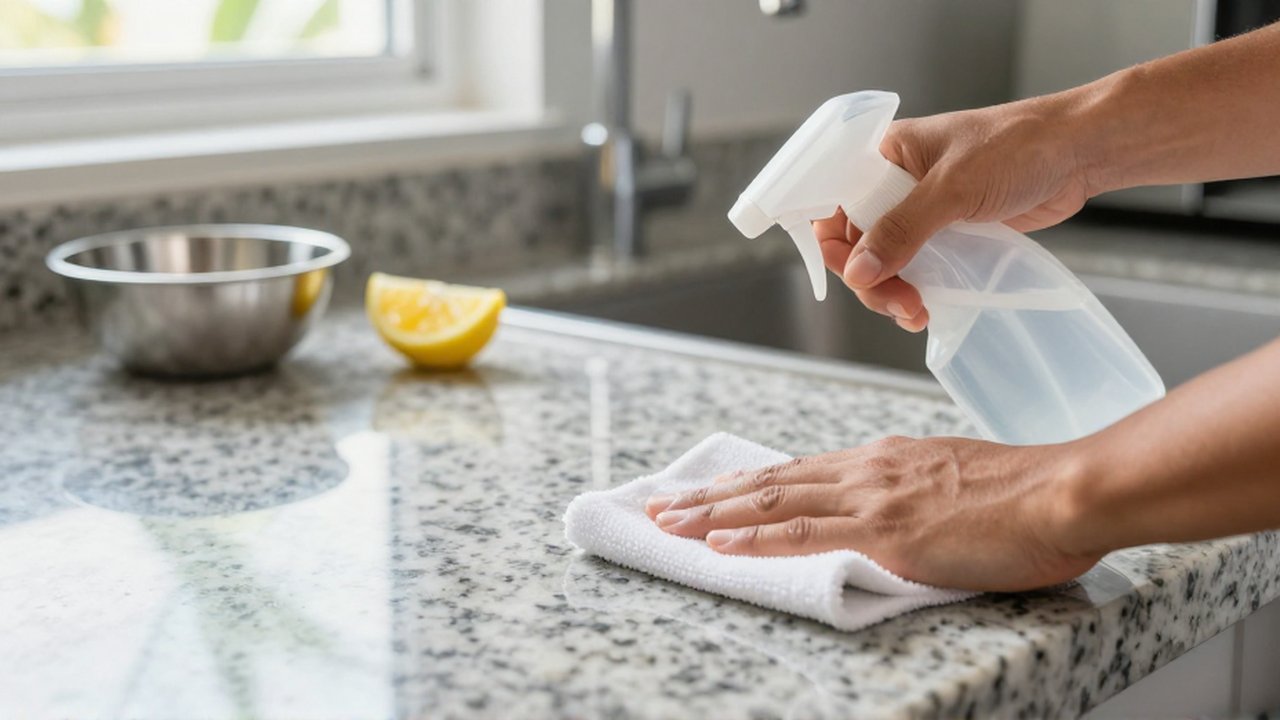
Before beginning the sanitization process, gather the necessary supplies to ensure efficiency. You will need more than just a standard sponge; effective removal of seafood residue requires specific tools and solutions.
First, prepare a heavy-duty dish soap to break down organic fats and oils often found in fish. For the actual sanitization step, you can use a diluted bleach solution or a food-safe commercial disinfectant specifically labeled for kitchen surfaces. If you prefer natural alternatives, white vinegar and baking soda can help neutralize odors, though they may require more mechanical scrubbing to achieve the same level of disinfection as chemical sanitizers.
You should also have several clean microfiber cloths or disposable paper towels. Using a single sponge for everything can actually spread bacteria around the room, so having multiple cloths allows you to isolate "dirty" zones from "clean" zones during the process.
Step by step cleaning procedure
To achieve a truly sanitized surface, you must follow a logical progression from removing debris to applying disinfectants. Skipping the cleaning phase and going straight to sanitizing is a common mistake that leaves a layer of organic matter which protects bacteria from the sanitizer.
Clear and remove organic debris Start by removing all leftover scraps, shells, or fish scales from the countertop and cutting boards. Use a paper towel to wipe up any liquid or juices, disposing of them immediately in a bin. This prevents the spreading of biological material across a larger surface area.
Wash with warm soapy water Apply hot, soapy water to the entire area where the seafood was handled. Scrub the surfaces thoroughly, paying close attention to grooves in cutting boards, the edges of the sink, and the backsplash. This step is designed to remove the visible film and fats left behind by seafood.
Rinse and dry Rinse the surfaces with clean, warm water to remove all soap residue. Use a clean towel or paper towel to dry the area. Sanitizers often work most effectively on clean, dry surfaces, and leaving water to pool can sometimes dilute the concentration of your cleaning agent.
Apply the sanitizer Apply your chosen disinfectant or diluted bleach solution to the surfaces. It is crucial to follow the "dwell time" instructions on the product label. Most sanitizers require the surface to remain wet for several minutes to effectively kill bacteria. Do not wipe the sanitizer off immediately; allow it to air dry or sit for the recommended duration.
Methods to neutralize lingering odors
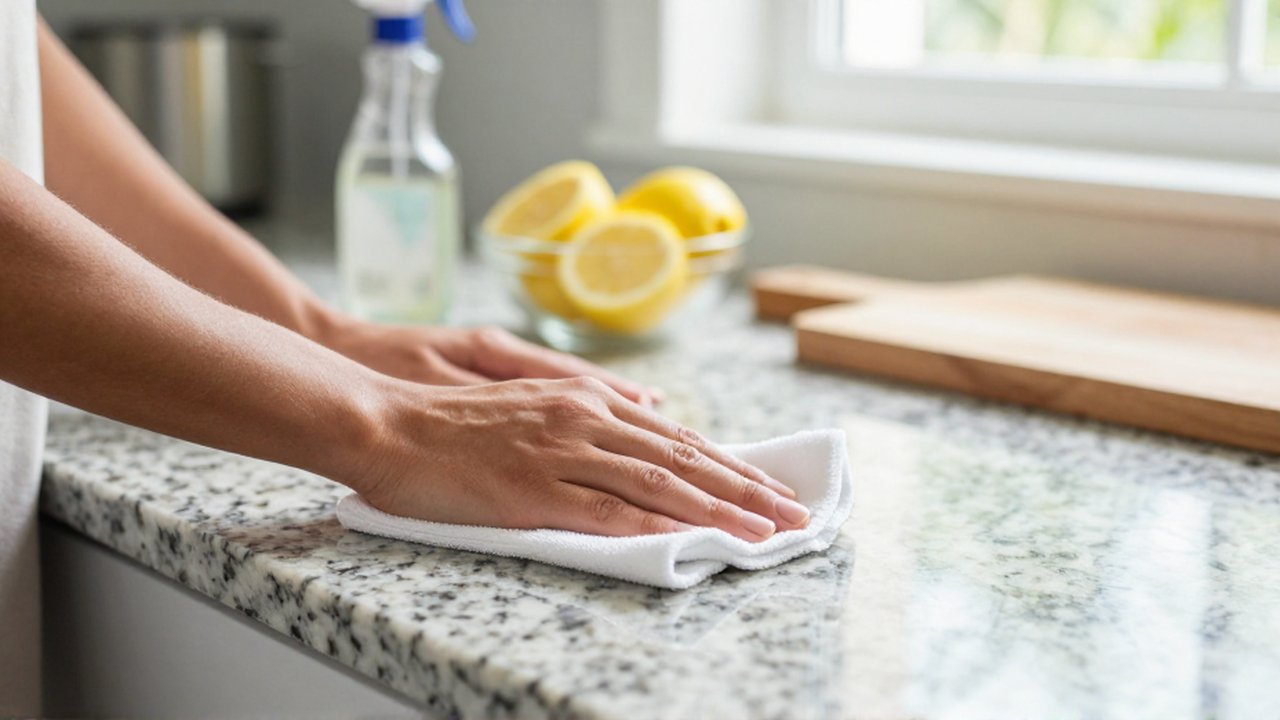
Seafood odors are caused by volatile organic compounds that can cling to porous surfaces and kitchen tools. If a scent persists after cleaning, use these targeted methods:
- Baking Soda Scrub: For cutting boards that have absorbed smells, sprinkle baking soda over the surface, add a little water to make a paste, and scrub the area.
- Vinegar Rinse: For stainless steel or stone countertops, a light spray of white vinegar can help break down the molecules responsible for the fishy smell.
- Lemon Juice: The acidity in lemon can act as a natural deodorizer for sinks and drain areas that may have caught seafood runoff.
- Coffee Grounds: Placing dry coffee grounds in a small bowl near the prep area can help absorb ambient odors in the kitchen.
Common mistakes to avoid
One of the most frequent errors is using the same sponge or cloth to clean the seafood residue and then subsequently using it to wipe down the dining table or other clean areas. This essentially moves the bacteria from the prep zone to the rest of the kitchen. Always use disposable towels or dedicated cleaning cloths that can be laundered in hot water immediately afterward.
Another mistake is neglecting the "hidden" areas. Bacteria and odors often hide in the handles of kitchen utensils, the faucet handles, the knobs of the stove, and the crevices of the sink drain. A thorough sanitization must include every object that your hands touched while preparing the seafood.
Frequently asked questions
Can I use vinegar instead of bleach to sanitize seafood areas? Vinegar is an excellent degreaser and deodorizer, but it is not as powerful as bleach or specialized disinfectants at killing certain high-risk bacteria found in raw seafood. For high-stakes cleaning, a commercial food-safe sanitizer is more reliable.
How often should I sanitize my cutting boards? Any time you switch from prepping raw seafood to prepping anything else, you must sanitize the board. Ideally, after every seafood session, you should scrub the board with hot soapy water and then apply a sanitizer.
Is it safe to use the same sponge for the whole kitchen? It is better to avoid this. After handling seafood, your sponge is heavily contaminated. Either replace it, or wash it thoroughly in boiling water or a dishwasher cycle before using it for other tasks.
Why does the smell persist even after cleaning? The smell often lingers because organic fats have seeped into microscopic pores in the countertop or cutting board. Using a deep-cleaning agent like baking soda or an enzymatic cleaner can help penetrate these pores and lift the odor.
Leave a Reply