
Tips to reduce condensation on glass sliding doors

Introduction
Condensation on glass sliding doors occurs when warm, moisture-laden air comes into contact with a cold glass surface, causing the water vapor to turn into liquid droplets. In tropical climates like the Dominican Republic, where humidity levels are naturally high, this phenomenon is particularly common. It often appears during the early morning or during heavy rain when the temperature difference between the interior and exterior of your home is most pronounced.
Managing this issue is essential for maintaining a comfortable living environment and protecting your home. Persistent condensation can lead to several problems, including the growth of mold and mildew on window frames, the warping of wooden door structures, and the potential for water damage to flooring near the entrance. By understanding how to control humidity and regulate temperature, you can keep your sliding doors clear and your home interior healthy.
Causes of moisture buildup on glass surfaces
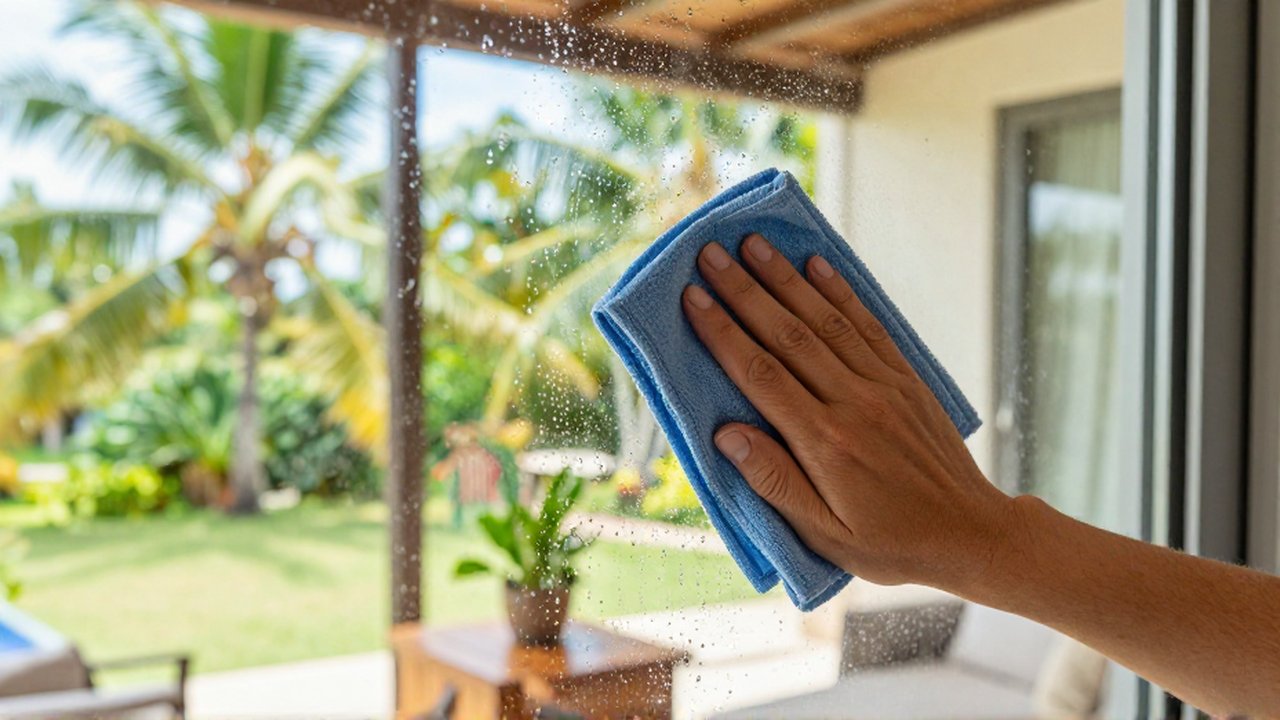
To solve the problem, it is important to understand that condensation is a physical reaction to temperature imbalances. When the air inside your home reaches its dew point upon hitting the glass, moisture precipitates. This is frequently caused by high indoor humidity resulting from cooking, showering, or even breathing, combined with a lack of adequate ventilation.
Another significant cause is the presence of air leaks around the door frame. If the seals are worn or poorly fitted, humid outside air can seep into the house, or conditioned indoor air can escape, creating a thermal bridge that encourages moisture to cling to the pane. Additionally, single-pane glass is much more susceptible to condensation than double or triple-pane insulated glass, as it lacks the thermal barrier necessary to keep the inner surface of the glass closer to the indoor room temperature.
Effective ways to lower indoor humidity
One of the most direct methods to reduce condensation is to manage the moisture levels within your living space. Since high humidity is the fuel for condensation, lowering it will naturally reduce the frequency of water droplets forming on your doors.
- Use dehumidifiers: Operating a dehumidifier during particularly humid seasons or rainy periods can significantly lower the ambient moisture in the room.
- Improve ventilation: Always use exhaust fans in "wet" areas like kitchens and bathrooms to prevent steam from circulating throughout the house.
- Monitor humidity levels: Using a hygrometer allows you to keep track of the moisture in your home. Aiming to keep indoor humidity between 30% and 50% is generally considered optimal for preventing mold and condensation.
- Strategic use of air conditioning: Air conditioners act as natural dehumidifiers by removing moisture from the air as they cool it. Maintaining a consistent, moderate temperature helps prevent the dramatic shifts that cause condensation.
Maintenance and structural improvements for sliding doors
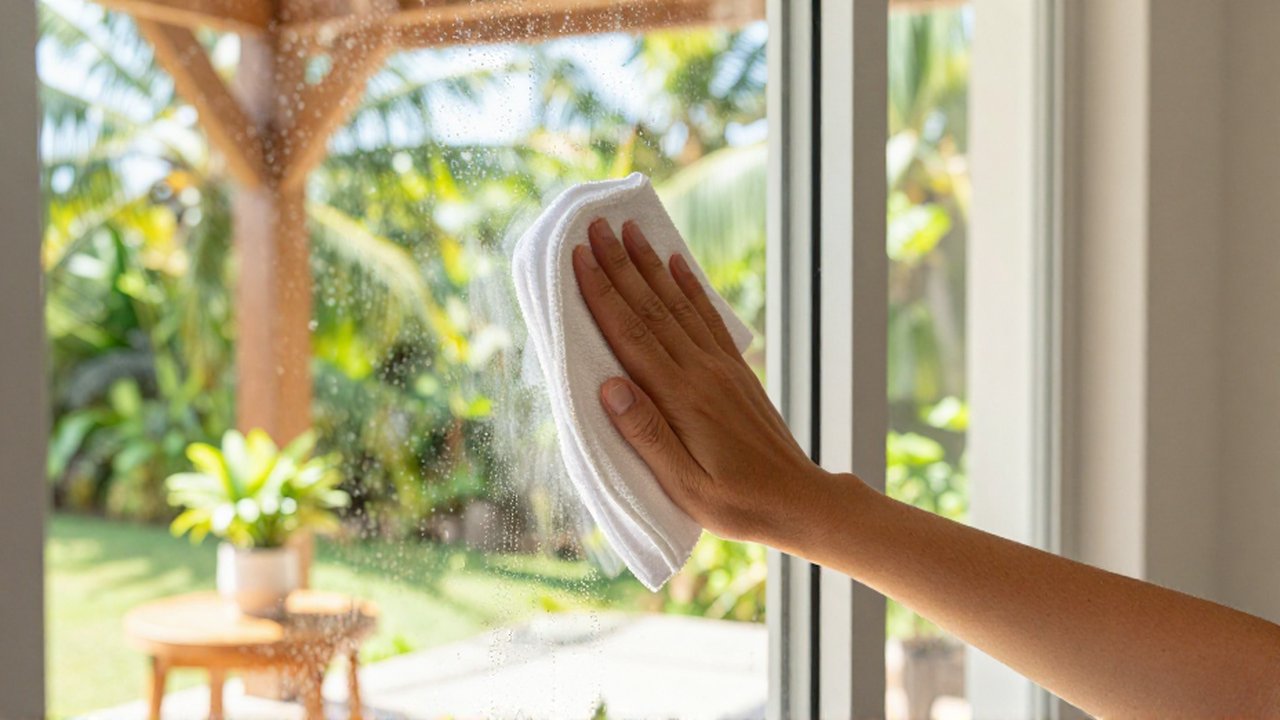
If controlling the air quality does not solve the issue, the hardware and structure of the sliding door itself may require attention. Sometimes, the problem is not just the air, but the inability of the door to act as a proper barrier.
Checking the weatherstripping and seals is a crucial maintenance step. Inspect the rubber or foam seals around the edges of the sliding door for any signs of cracks, gaps, or compression. Replacing worn seals can prevent humid air from infiltrating the sliding mechanism. Furthermore, ensuring that the drainage tracks at the bottom of the door are clean and free of debris is vital; if water pools in these tracks, it increases the humidity immediately surrounding the glass.
For long-term solutions, upgrading to insulated glass units (IGUs) is highly effective. These units consist of two or more panes of glass separated by a gas-filled space, which acts as a thermal insulator. This prevents the interior pane from becoming too cold, thereby significantly reducing the likelihood of moisture forming on the surface.
Common mistakes to avoid when managing condensation
A frequent mistake many homeowners make is attempting to "dry out" the glass by using harsh chemical cleaners or abrasive cloths. While cleaning the glass regularly is important, using improper tools can scratch the surface or damage the protective coatings on high-end glass, making the condensation problem look worse over time due to cloudiness.
Another error is ignoring the role of indoor plants. While greenery is beautiful, a large collection of tropical plants can significantly increase indoor humidity through transpiration. If you notice excessive condensation near large potted plants, consider relocating them or using specialized moisture-control techniques. Finally, do not rely solely on wiping the glass away with a towel; this only treats the symptom while the underlying cause—high humidity or poor insulation—remains unaddressed.
Frequently asked questions
Will cleaning the glass stop condensation from forming? No, cleaning the glass only removes the existing water droplets. Cleaning is necessary to prevent mineral buildup and streaks, but it does not change the temperature or humidity levels that cause the condensation in the first place.
Can I use fans to prevent condensation? Yes, using ceiling fans or floor fans can help circulate air more effectively. Moving air prevents stagnant, moist air from settling against the cold surface of the glass, which can help delay or reduce the formation of droplets.
Is condensation on the inside or outside of the glass more concerning? Condensation on the inside usually indicates high indoor humidity or poor insulation. Condensation on the outside is common in humid climates and is often a sign that the glass is losing heat too quickly, though it is generally less harmful to the interior of the home than internal condensation.
Does opening the windows help? It depends on the outside conditions. If it is raining or extremely humid outside, opening the windows will increase the moisture inside your home and likely worsen the condensation. However, on a dry day, opening windows can help ventilate the house and lower indoor humidity levels.
Leave a Reply