
Tips for organizing spices in a humid environment
Introduction
Organizing a spice collection in a tropical or humid climate presents unique challenges that go beyond mere aesthetic neatness. In environments with high moisture levels, spices are prone to clumping, losing their potency, or even developing mold, which can ruin your meals and compromise food safety. Proper organization in these conditions is essential to preserve the aromatic oils and flavors that make cooking enjoyable and efficient.
Managing your pantry effectively means selecting the right storage methods and locations to shield your ingredients from moisture. By implementing strategic organization techniques, you can extend the shelf life of your spices, reduce food waste, and ensure that your kitchen remains a functional space. This guide provides practical solutions specifically designed to combat humidity while maintaining an orderly and accessible spice collection.
Essential storage containers for moisture control
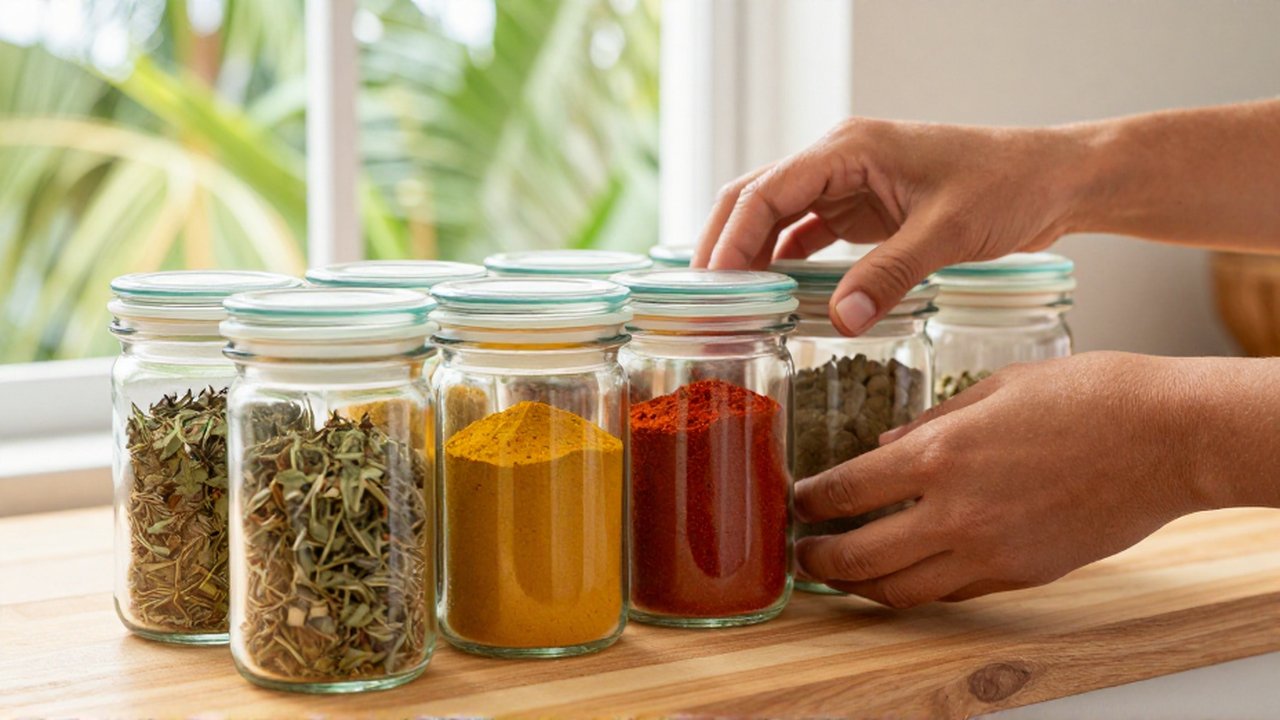
The most critical step in organizing spices in a humid climate is choosing the correct vessel. Standard cardboard spice tins or loosely sealed plastic shakers are often inadequate because they allow ambient moisture to penetrate the contents. To maintain freshness, you should prioritize airtight containers made of material that does not breathe.
Glass jars with silicone seals or screw-top lids are highly recommended. Glass is non-reactive, meaning it will not leach flavors or odors into your spices, and it provides a solid barrier against humidity. When selecting containers, ensure the lid creates a complete vacuum or a tight seal to prevent steam from the kitchen from entering the jar during cooking.
Avoid using containers that are too large for the amount of spice inside. Large amounts of "headspace"—the empty air at the top of a jar—can trap moisture, especially if the jar is opened frequently. It is more effective to transfer spices into several smaller, airtight glass jars rather than keeping one large container that is constantly exposed to the air.
Ideal placement within the kitchen
Where you store your spices is just as important as how you seal them. In a humid environment, certain areas of the kitchen are more prone to moisture accumulation than others. One of the most common mistakes is storing spices directly above or next to the stove. The heat and steam generated during cooking create a microclimate of high humidity that can quickly turn powdered spices into hard lumps.
The best location for a spice collection is a cool, dark, and dry area. A pantry located away from the oven or a dedicated kitchen cabinet in a room with good ventilation is ideal. If you must store spices near the cooking area, consider using a closed cabinet rather than an open shelf or a countertop rack. Closed cabinets provide an extra layer of protection against airborne grease and moisture.
Avoid storing spices in areas that are prone to temperature fluctuations. Rapid changes in temperature can cause condensation to form inside the containers, which is the primary cause of spoilage. If your kitchen lacks natural airflow, using a dehumidifier in the pantry area can significantly improve the longevity of your spices.
Organization methods for easy access
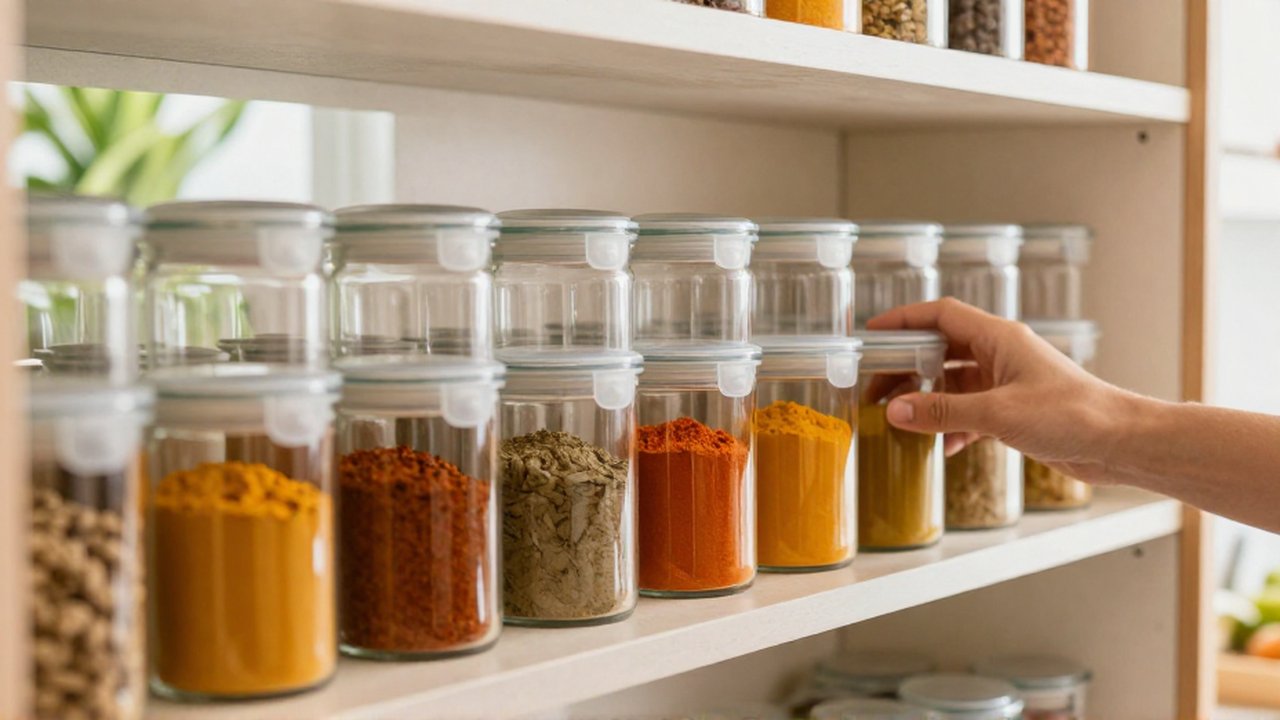
Once you have secured your spices in airtight containers, you need a system that allows for easy identification and retrieval. An organized system prevents you from searching through multiple jars while you are in the middle of cooking.
For those with limited cabinet space, tiered spice steps or "stadium seating" organizers are excellent. They allow you to see the labels of the back row without moving the front row. If you prefer a more compact setup, drawer organizers that hold jars on their sides can be very efficient, provided the lids are strictly airtight.
Labeling is an indispensable part of organization. In a humid environment, some labels may peel off due to moisture. Use waterproof labels or write the name and expiration date directly on the lid using a permanent marker. Organizing by frequency of use—placing daily essentials like salt, pepper, and garlic powder at the front—will streamline your cooking process.
Common mistakes to avoid
To maintain a healthy and organized spice pantry, it is important to recognize habits that inadvertently introduce moisture to your collection. One frequent error is using a wet spoon to scoop spices out of a jar. Even a tiny amount of moisture introduced into a container can trigger mold growth. Always use a completely dry spoon or measuring device.
Another mistake is "topping off" old containers with new spices. Instead of mixing old, potentially clumped spices with fresh ones, finish the old jar completely and then refill it with fresh ingredients. This ensures that any degradation in quality is contained and does not spread to your entire collection.
Finally, do not ignore the signs of spoilage. If a spice has lost its distinct aroma, changed color significantly, or shows signs of clumping that cannot be broken up, it is time to discard it. Keeping expired or ineffective spices in your organized system only leads to frustration and potential health risks.
Frequently asked questions
How can I tell if my spices have been affected by humidity? The most common signs are clumping (where the powder forms hard lumps), a loss of intense aroma, or a change in color. If you notice any signs of mold or an "off" smell, discard the spice immediately.
Can I use plastic containers instead of glass? While some high-quality plastic containers are airtight, glass is generally superior in humid climates because it is completely non-porous and provides a more reliable seal against moisture and odors.
Is it okay to store spices in the refrigerator? While a cold environment can slow down degradation, the process of taking jars in and out of the fridge can cause condensation to form inside the containers whenever they reach room temperature. For most households, a cool, dry pantry is a safer and more effective option.
How often should I check my spice collection? It is a good practice to audit your spice collection every six months. This allows you to check for seal integrity, replace any spices that have lost their potency, and ensure that labels are still legible.
Leave a Reply